molecular changes in the brain with PTSD & depression

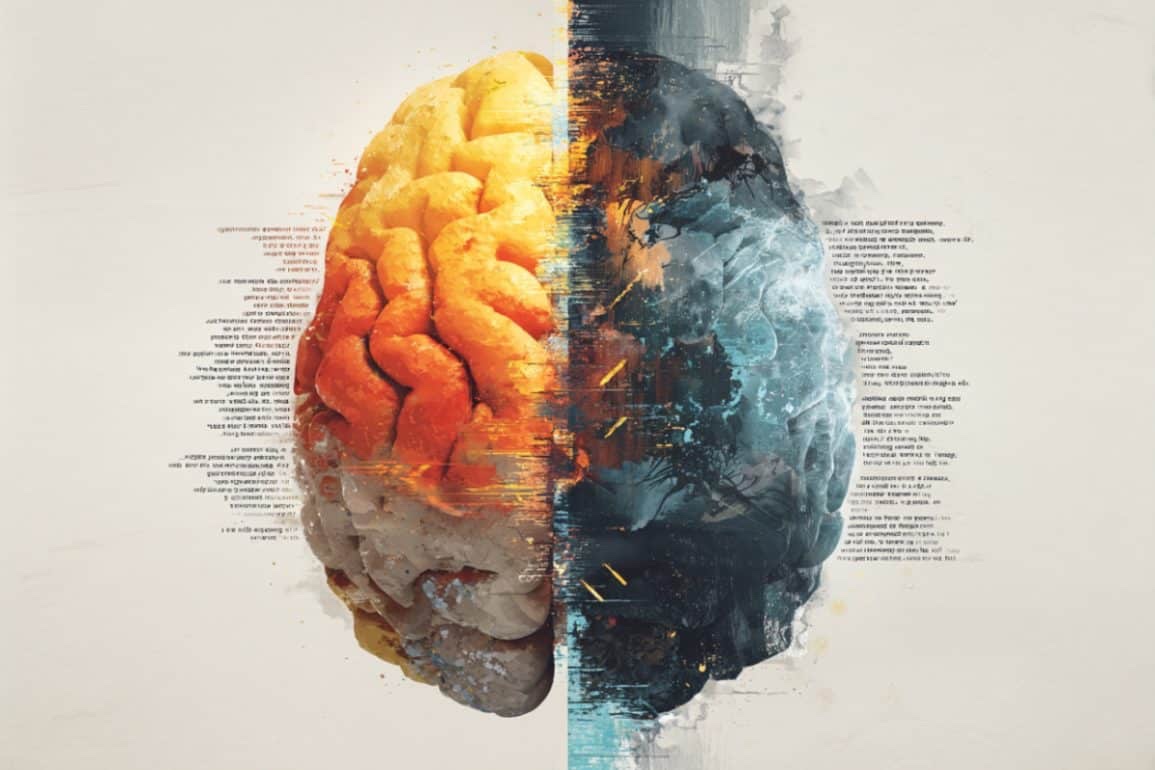
A comprehensive approach that examines the intersection of multiple biological processes is necessary to elucidate the development of stress-related disorders. In a new study, investigators from McLean Hospital, a member of the  Mass General Brigham healthcare system, working with colleagues at The University of Texas at Austin and Lieber Institute for Brain Development, uncovered both shared and distinct …

how storytelling style shapes the way the brain forms memories

Does the way a person hears about an event shape their recollection of it later? In a new Journal of Neuroscience paper, Signy Sheldon and colleagues, from McGill University, explored whether different storytelling strategies affect how the brain stores that experience as a memory and recalls it later.  The researchers created narratives with the same core events, …

effects of yoga on brain waves & structural activation: a review

Previous research has shown the vast mental and physical health benefits associated with yoga. Yoga practice can be divided into subcategories that include posture-holding exercise (asana), breathing (pranayama, Kriya), and meditation (Sahaj) practice. Studies measuring mental health outcomes have shown decreases in anxiety, and increases in cognitive performance after yoga interventions. Similar studies have also shown cognitive …

brain training for good health

The brain is the most complex and intricate part of the human body, and yet many of us don’t recognize just how many functions it carries out on a daily basis. Inside your head, there are approximately sixty trillion neural connections (pathways between brain cells), and while the brain represents only 2–2.5% of the body mass, it consumes …

vagus nerve: brain-gut axis in psychiatric and inflammatory disorders – part I

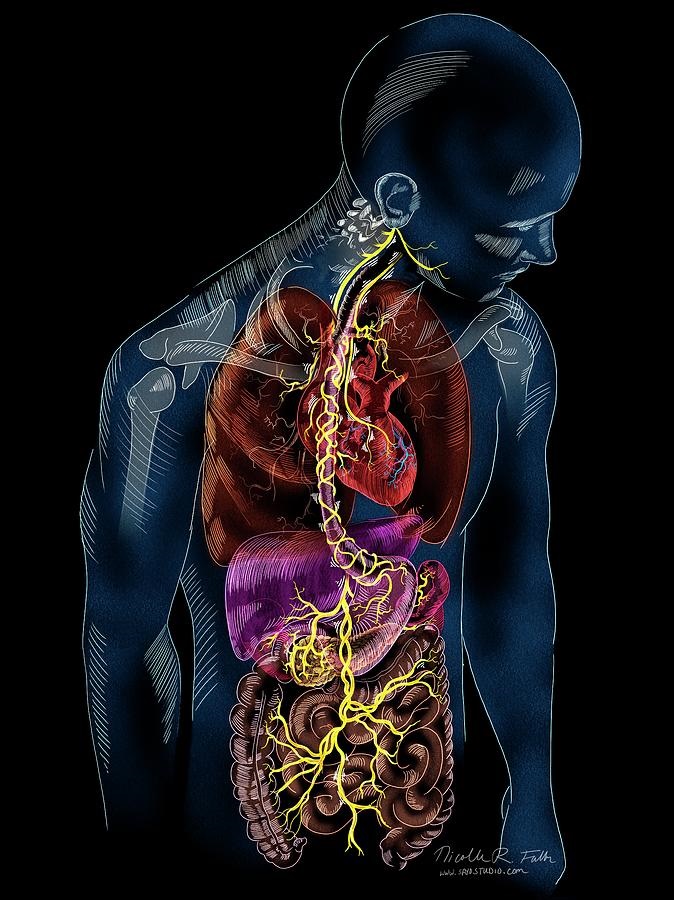
The vagus nerve represents the main component of the parasympathetic nervous system, which oversees a vast array of crucial bodily functions, including control of mood, immune response, digestion, and heart rate. It establishes one of the connections between the brain and the gastrointestinal tract and sends information about the state of the inner organs to …

use it or lose it: neurofeedback brain training & cognitive aging

Across a human life span, changes in cognition are expected to occur as individuals grow older. Most of the changes experienced in aging are related to a decline in fluid intelligence, defined as the capacity to solve problems and articulate ideas, to navigate new situations, and to acquire knowledge. On the other hand, crystallized intelligence, …

nature or nurture: neurobiology and psychiatry overlap

Psychiatric and neurological diseases are the leading causes of morbidity and mortality globally. Despite their shared neural origin, they have distinct underlying pathogenic entities and are classified separately in the International Classification of Diseases (ICD). However, the degree to which they share an etiological basis and genetic influences is unclear. Psychiatric disorders have a neurobiological …

faith: the axis on which the wheel of science turns

Beneath every “fact” lies a series of assumptions that cannot be proven. Like it or not, even science requires a leap of faith. Can Science be True if it has no Faith? Bill Nye, the ‘Science Guy,’ affirms that his “point of view is based on the facts of life” and not on faith-based “suppositions of life.”1 For …

neurodivergent relationships: big picture thinking + acceptance

When a group of people share neurodivergence in common, that doesn’t necessarily mean they are all the same or even relate to each other that well…very far from it…since as the saying goes, when you have met one autistic person you have met one autistic person; we are all divergently divergent, being each divergent in …

quality sleep & adaptive emotional regulation: key factors in mental health resilience

High-quality sleep and adaptive cognitive emotional regulation strategies can help to promote resilience to depression and anxiety when faced with negative or stressful experiences, according to new research published in the scientific journal Cortex. The researchers were interested in understanding why some individuals experiencing chronic stress develop mental health problems, while others do not. They believed …