how storytelling style shapes the way the brain forms memories

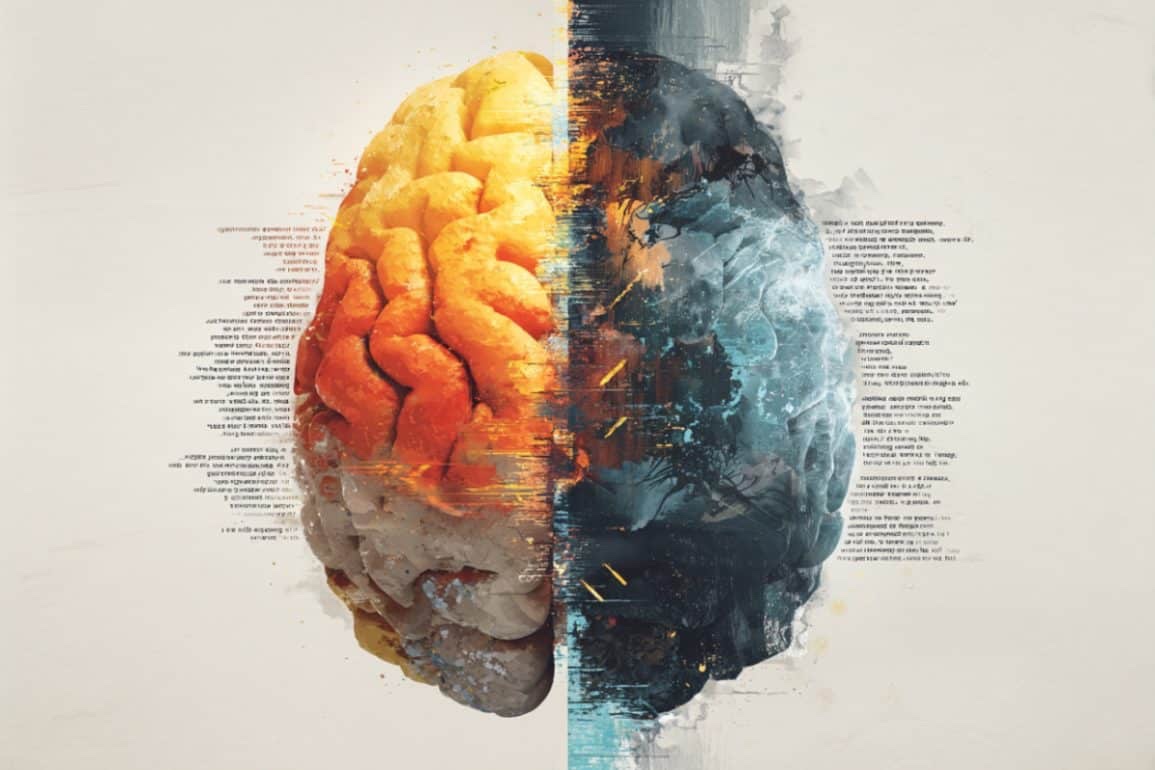
Does the way a person hears about an event shape their recollection of it later? In a newย Journal of Neuroscienceย paper, Signy Sheldon and colleagues, from McGill University, explored whether different storytelling strategies affect how the brain stores that experience as a memory and recalls it later.ย  The researchers created narratives with the same core events, …

effects of yoga on brain waves & structural activation: a review

Previous research has shown the vast mental and physical health benefits associated with yoga. Yoga practice can be divided into subcategories that include posture-holding exercise (asana), breathing (pranayama, Kriya), and meditation (Sahaj) practice. Studies measuring mental health outcomes have shown decreases in anxiety, and increases in cognitive performance after yoga interventions. Similar studies have also shown cognitive …

brain training for good health

The brain is the most complex and intricate part of the human body, and yet many of us donโ€™t recognize just how many functions it carries out on a daily basis. Inside your head, there are approximately sixty trillion neural connections (pathways between brain cells), and while the brain represents only 2โ€“2.5% of the body mass, it consumes …

quality sleep & adaptive emotional regulation: key factors in mental health resilience

High-quality sleep and adaptive cognitive emotional regulation strategies can help to promote resilience to depression and anxiety when faced with negative or stressful experiences, according to new research published in the scientific journalย Cortex. The researchers were interested in understanding why some individuals experiencing chronic stress develop mental health problems, while others do not. They believed …

emotional dysregulation & inflammation

Elevated inflammation is a risk factor for many psychiatric (e.g., depression) and somatic conditions (e.g., rheumatoid arthritis). Inflammation is influenced by psychosocial processes such as emotion regulation. Characterization of which emotion regulation characteristics impact inflammation could help refine psychosocial interventions aimed at normalizing health-harming inflammatory activity for individuals with psychiatric and somatic illnesses. We systematically reviewed the …

vagus physiology: answers to critical questions you didn’t know you had – part III

In part III of our article on vagus physiology, we look at the treatment for these, until recently, little-known but critically important and widespread conditions of the vagus nerve which are the root cause of many illnesses for millions of people worldwide. In parts I and II of this article, we have laid a basic …

the next great awakening: convergence of science & religion

Students of human history are very aware of patterns and cycles that define our intergenerational experiences. The hope is that by discovering the systemic causes of failures in the past we can prevent or reduce the consequences of failures in the current age. Karl Marx hypothesized that the important cycles of history were the ones …

holotropic breathwork in a psychiatric hospital settingย 

Holotropic Breathwork is a powerful, spiritually oriented approach to self-exploration and healing that integrates insights from modern consciousness research, anthropology, depth psychologies, transpersonal psychology, Eastern spiritual practices, and many mystical traditions. Holotropic Breathwork offers many opportunities that may enhance treatment, including entering non-ordinary [โ€ฆ] A Clinical Report on Holotropic Breathwork in 11,000 Psychiatric Inpatients in a …

vagus physiology: answers to critical questions you didn’t know you had – part II

Can different pathophysiological mechanisms and risk factors leading to various diseases be linked with altered nerve transmission via one common pathway? The authors of a 2012 scientific article published in the journal,ย Clinical Science,ย (3) hypothesized that adequate vagal nerve activity reduces the risk of major diseases through common basic mechanisms.. There are 3 basic mechanisms that …

vagus physiology: answers to critical questions you didn’t know you had – part I

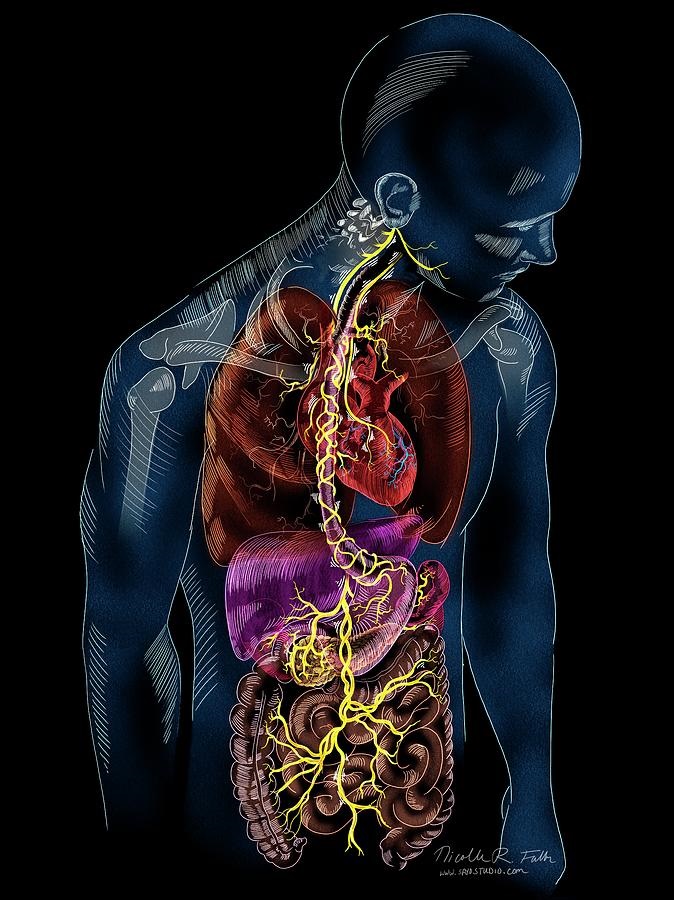
The vagus nerves are the nerves of life. They keep us alive by their innervation of the internal organs of the body and their interactions with the brain, spinal cord, cranial nerves, upper cervical spinal nerves, and sympathetic nervous system. Sensory functions of the vagus nerve are critical for conscious perception and for monitoring visceral …