neurobiology of psychedelic experience

Scientists have identified specific patterns of brain network reconfigurations that occur when people take both classical and non-classical psychedelic drugs. Their findings, published in NeuroImage, shed new light on how psychedelics affect the brain and consciousness. The authors behind the new study wanted to better understand the neurobiology of the psychedelic experience by examining the common …

the next great awakening: convergence of science & religion

Students of human history are very aware of patterns and cycles that define our intergenerational experiences. The hope is that by discovering the systemic causes of failures in the past we can prevent or reduce the consequences of failures in the current age. Karl Marx hypothesized that the important cycles of history were the ones …

holotropic breathwork in a psychiatric hospital settingย 

Holotropic Breathwork is a powerful, spiritually oriented approach to self-exploration and healing that integrates insights from modern consciousness research, anthropology, depth psychologies, transpersonal psychology, Eastern spiritual practices, and many mystical traditions. Holotropic Breathwork offers many opportunities that may enhance treatment, including entering non-ordinary [โ€ฆ] A Clinical Report on Holotropic Breathwork in 11,000 Psychiatric Inpatients in a …

vagus physiology: answers to critical questions you didn’t know you had – part II

Can different pathophysiological mechanisms and risk factors leading to various diseases be linked with altered nerve transmission via one common pathway? The authors of a 2012 scientific article published in the journal,ย Clinical Science,ย (3) hypothesized that adequate vagal nerve activity reduces the risk of major diseases through common basic mechanisms.. There are 3 basic mechanisms that …

spiritual awakenings: scientists and academics describe their experiences

Review by Gunnel Minett This book deals with phenomena which have been known throughout history but which until recently have been rejected by most non-religious people. In particular, for scientists and anyone interested in an academic career, the subject has been pretty much a taboo. This book deals with experiences which can only be described …

consciousness, time and dukkha

Hans Karl Hermann Rudolph Gebser was born in modern day Poland and was a philosopher, poet and linguist. His major thesis was that human consciousness is in transition, and that these transitions are "mutations" and not continuous. These jumps or transformations involve structural changes in both mind and body. Gebser held that previous consciousness structures continue …

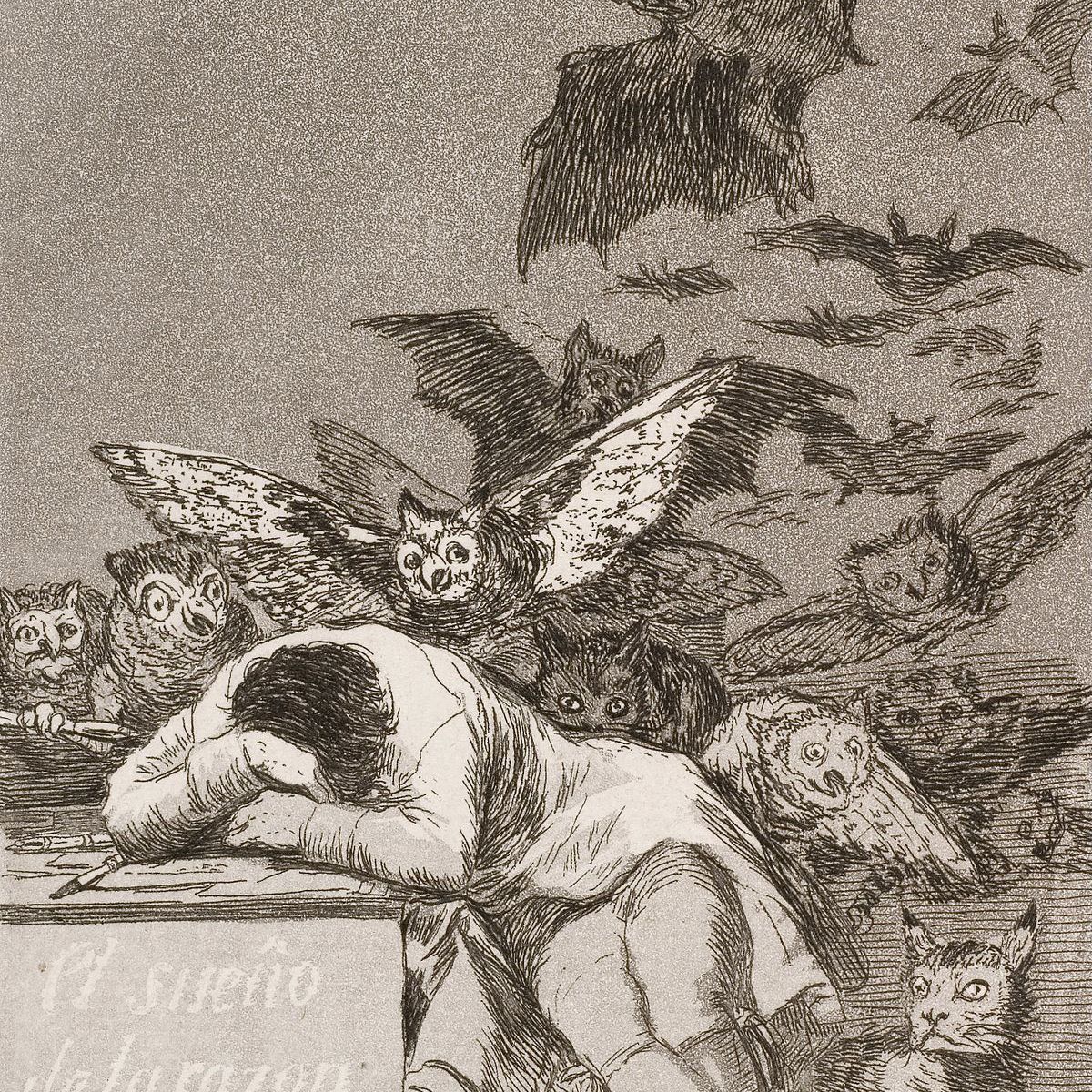
โ€˜The Sleep of Reason Brings Forth Monsters:โ€™ reframing mental distress as a call to action โ€“ part 1

Following are excerpts from the book, โ€œFreedom: the end of the human conditionโ€ written by biologist, Jeremy Griffith, in 2016*. It recounts the psychological alienation felt by humans when a separation occurs between (the Grace of) instinct and the 'knowledge of right and wrongโ€™ inherent in the social adaptations of living in society, what he …

the great slowdown: why breaking down is waking up

The history of humankind is like a maze; a collection of pathways, designed to lead us from a beginning to an end goal with the journey entailing much retracing of steps, the occasional dead end and from time to time that sense that weโ€™ve all been here before โ€” after all, arenโ€™t those who donโ€™t …

breathwork: coherence and union

If I say mind and thinking, you automatically know that we are talking about head. And reason. With the same automatism, you know that when using the words emotion and feeling all the rest of the body is put into play from the heart. The world of sensations. Who knows how many times in your school, affective, professional life, these two parts acted separately or, worse, …