breathwork: coherence and union

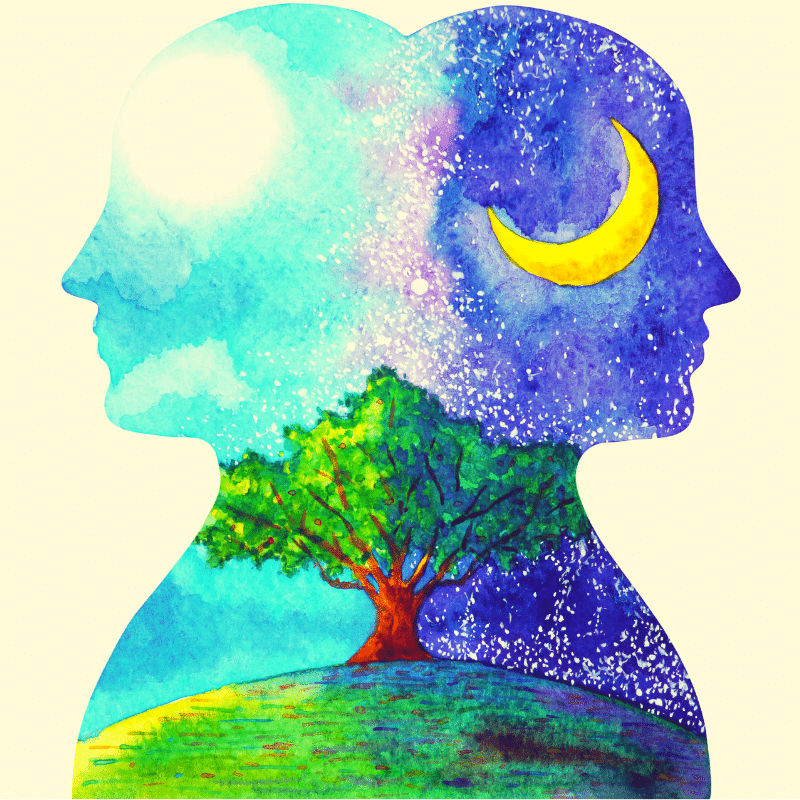
If I say mind and thinking, you automatically know that we are talking about head. And reason. With the same automatism, you know that when using the words emotion and feeling all the rest of the body is put into play from the heart. The world of sensations. Who knows how many times in your school, affective, professional life, these two parts acted separately or, worse, …

spiritual centre of the brain: evolutionary ancient

According to a report in the Journal of Neuroscience, the concept of religion and spirituality is profoundly ingrained in our brains. Because researchers have now identified an essential location in the brain stem — an extremely ancient part of the brain in terms of evolution — we now have an understanding of the brain stem’s significance. If this …

The way of suffering -Thich Nhat Hanh (1926-2022)

Handling our suffering is an art - if we know how to suffer, we suffer much less, and we’re no longer afraid of being overwhelmed by the suffering. Mindfulness helps us recognize, acknowledge, and embrace the presence of the suffering, which can already bring some calm and relief. When a painful feeling comes up, we …

seven facts about the brain that incline the mind to joy

The mind and the brain are mainly (and perhaps entirely) a single unified system Almost every – and perhaps every – subjective state is correlated with an objective, material brain state. Other than a transcendental factor – call it God, Spirit, Energy, or by whatever name – by definition, what else could be going on …

buddha’s brain: neuroplasticity and meditation

In a recent visit to the United States, the Dalai Lama gave a speech at the Society for Neuroscience's annual meeting in Washington, D.C. Over the past several years, he has helped recruit Tibetan Buddhist monks for, and directly encouraged research on the brain and meditation in the Waisman Laboratory for Brain Imaging and Behavior …