
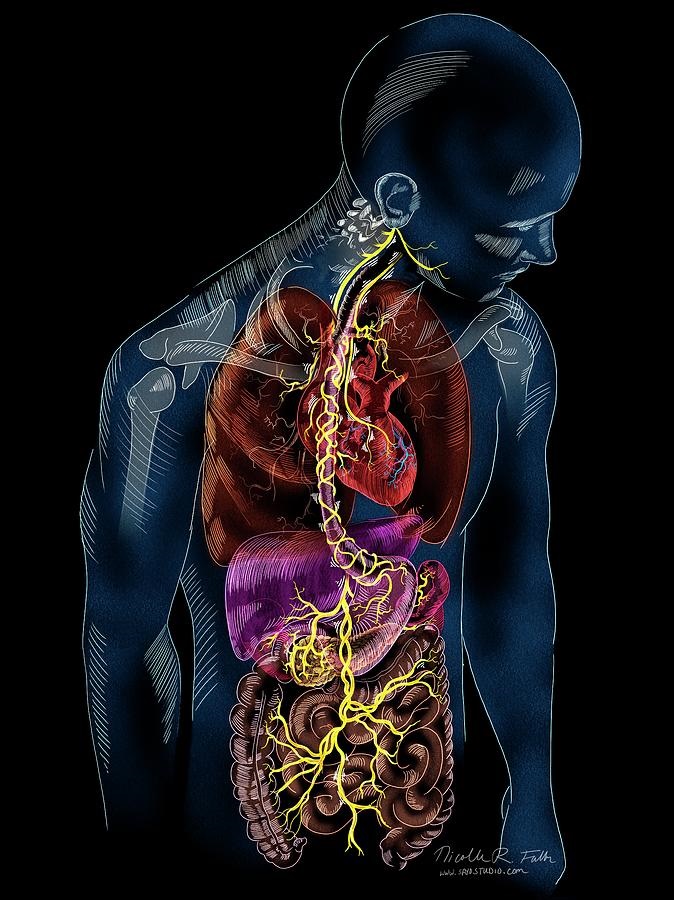
vagus nerve: brain-gut axis in psychiatric and inflammatory disorders – part II

The vagus nerve is a modulator of intestinal immune homeostasis. The gastrointestinal tract is constantly confronted with food antigens, possible pathogens, and symbiotic intestinal microbiota that present a risk factor for intestinal inflammation (63). It is highly innervated by vagal fibers that connect the CNS with the intestinal immune system, making vagus a major component, …

vagus nerve: brain-gut axis in psychiatric and inflammatory disorders – part I

The vagus nerve represents the main component of the parasympathetic nervous system, which oversees a vast array of crucial bodily functions, including control of mood, immune response, digestion, and heart rate. It establishes one of the connections between the brain and the gastrointestinal tract and sends information about the state of the inner organs to …

nature or nurture: neurobiology and psychiatry overlap

Psychiatric and neurological diseases are the leading causes of morbidity and mortality globally. Despite their shared neural origin, they have distinct underlying pathogenic entities and are classified separately in the International Classification of Diseases (ICD). However, the degree to which they share an etiological basis and genetic influences is unclear. Psychiatric disorders have a neurobiological …