Our 24/7 society seems to be slowly robbing us of our slumber, but at what cost? Sleep expert, professor of neuroscience and author of Why We Sleep, Dr Matthew Walker, explores all the ways sleep can benefit our brains and our health. There is no major health system within your body or operation within your brain, …
nerve signalling: tracing the wiring of life
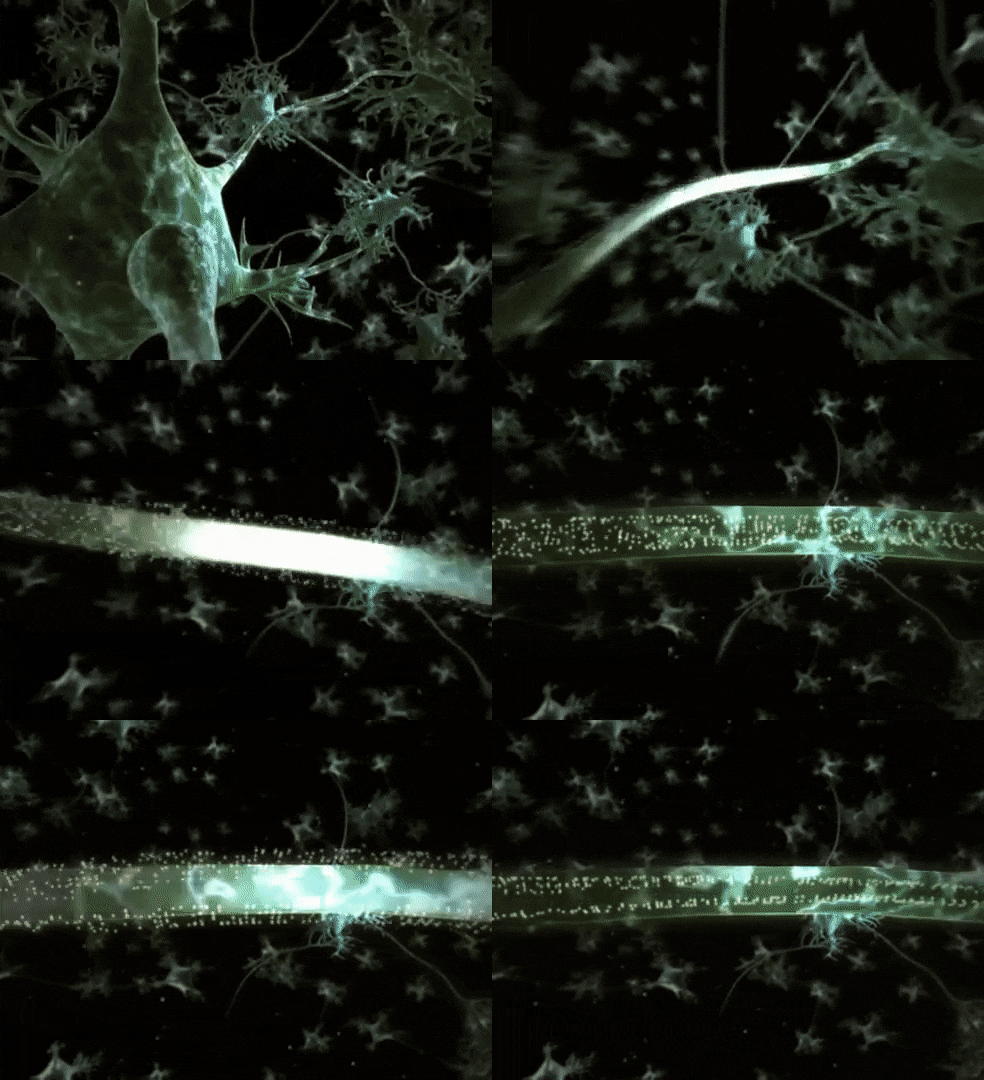
The Nobel Prize in Physiology or Medicine has rewarded scientists for an amazing voyage of discovery inside the human nervous system – one that has revealed how the myriad tiny signals firing through nerve cells keeps us alive, thinking and moving. Estimates vary wildly, since of course, no-one has counted them all, but there are …
Continue reading "nerve signalling: tracing the wiring of life"
breath in deeply: bring your mind home to your body
Breath is the gift of life - one we are used to and do not see it as such. It’s become an automatic experience on our part which, in many ways, it is. Have you ever thought about it? Do you breathe, or does the breathing happen without your conscious involvement? When you are focussed …
Continue reading "breath in deeply: bring your mind home to your body"
scientists discover basic principle of neuroplasticity
Our brains are famously flexible, or “plastic,” because neurons can do new things by forging new or stronger connections with other neurons. But if some connections strengthen, neuroscientists have reasoned, neurons must compensate lest they become overwhelmed with input. In a new study in Science, researchers at the Picower Institute for Learning and Memory at MIT …
Continue reading "scientists discover basic principle of neuroplasticity"
effects of radiofrequency electromagnetic radiation on neurotransmitters
The authors of a recent review of research on the effects of radiofrequency electromagnetic radiation (EMR) exposure on the brain and nervous system say "With the rapid development of electronic information in the past 30 years, technical achievements based on electromagnetism have been widely used in various fields pertaining to human production and life. Consequently, …
Continue reading "effects of radiofrequency electromagnetic radiation on neurotransmitters"
seven facts about the brain that incline the mind to joy
The mind and the brain are mainly (and perhaps entirely) a single unified system Almost every – and perhaps every – subjective state is correlated with an objective, material brain state. Other than a transcendental factor – call it God, Spirit, Energy, or by whatever name – by definition, what else could be going on …
Continue reading "seven facts about the brain that incline the mind to joy"
neurotransmitters and brain function (a really good summary)
Neurons (nerve cells) in the brain form elaborate networks, with each neuron having up to 15,000 connections with neighbouring neurons at contact points called synapses. While the nerve impulse travel through the neuron as an electrical impulse, it does not cross the gap known as the synaptic cleft but rather stimulates the release of a …
Continue reading "neurotransmitters and brain function (a really good summary)"
buddha’s brain: neuroplasticity and meditation
In a recent visit to the United States, the Dalai Lama gave a speech at the Society for Neuroscience's annual meeting in Washington, D.C. Over the past several years, he has helped recruit Tibetan Buddhist monks for, and directly encouraged research on the brain and meditation in the Waisman Laboratory for Brain Imaging and Behavior …
Continue reading "buddha’s brain: neuroplasticity and meditation"
new memory editing technique can erase bad memories
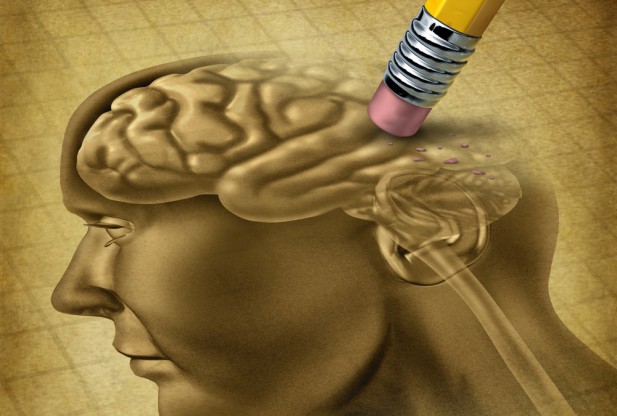
A radical new technique to target and erase painful memories has raised “huge ethical problems,” say leading neurologists, because it threatens to artificially change a person’s personality. The memory-editing technique, which is called decoded neurofeedback, or DecNef, was created for the treatment of PTSD. It uses an electromagnet similar to an MRI scanner, to measure …
Continue reading "new memory editing technique can erase bad memories"
the chemistry of emotions part 2
Neurotransmitters play a critical role in modulating emotions in the brain and serious problems can result if neurotransmitter levels are not optimally balanced. Depression, anxiety or mood swings can all be caused by a lack of a balance in neurotransmitters. Drug therapies given to individuals suffering from these disorders aim to restore that balance. For …