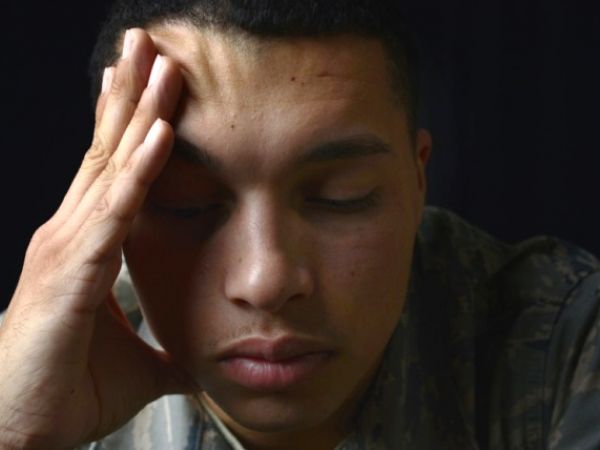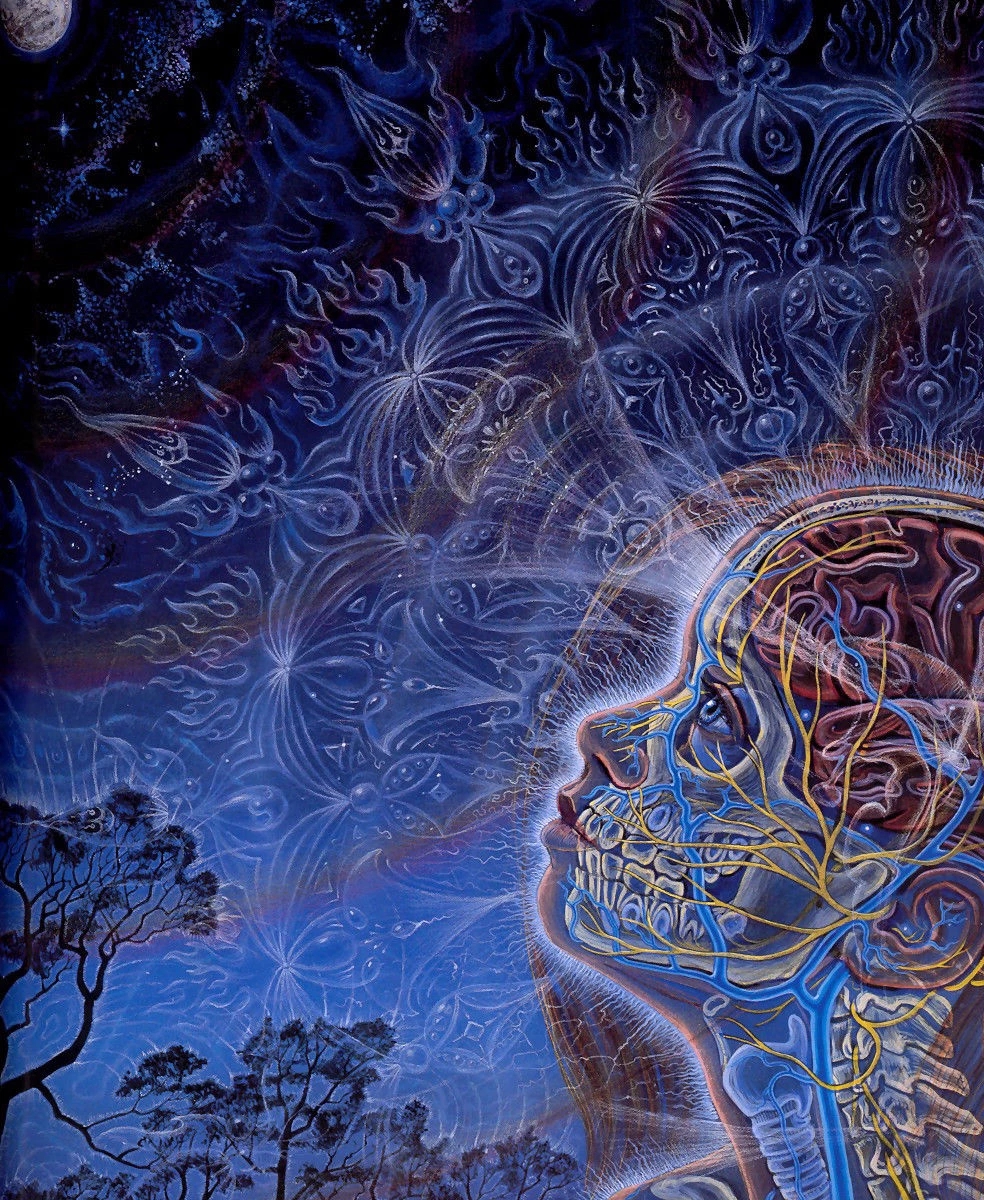
call to awakening: reframing mental distress as a potential catalyst for positive change

These films are about our individual and collective awakening and how we can use crisis to awaken and find our calling in order to make the world a better place. The series of short films were inspired by and made during the COVID-19 pandemic, about our times and how to navigate a changing world. They …

vagal pathways: portals to compassion

Contemplative practices are conceptualized as methods that function as neural exercises enhancing vagal regulation of the autonomic nervous system. The model presented proposes that specific voluntary behaviors (e.g., breath, vocalizations, and posture), which characterize ancient rituals and form the core of contemplative practices, can trigger a physiological state mediated by vagal pathways that fosters health …

the year of living creatively

"The privilege of a lifetime is being who you are." - Joseph Campbell During the past 50 years, quite a few researchers, social scientists, and psychologists have written passionately about the creative process, offering a number of models to help clarify its various stages. All of their models are deeply considered and relatively easy to understand. …

is meditation the reason this monk’s brain is eight years younger than his body?

While there's no fountain of youth, a Tibetian Buddhist monk may have tapped into the next best thing, according to an analysis showing that his 41-year-old brain actually resembles that of a 33-year-old.  The monk, Yongey Mingyur Rinpoche (YMR), a renowned meditation practitioner and teacher, began meditating at age 9. The "extraordinary number of hours" …

brain, mind and consciousness: near-death experiences

The truck driverโ€™s story sounded far-fetched. The man claimed that in the middle of his quadruple bypass heart surgery โ€” during which he was fully anesthetized and his eyes were taped shut โ€” he had โ€œcome toโ€ and found that he was looking down at his own body and the doctors preparing to operate on …

anti inflammatory effects of omega 3 fatty acids could help reduce depression

Omega-3 polyunsaturated fatty acids (PUFAs) are metabolised into molecules called lipid mediators and the levels of these in the blood are linked to an improvement in depressive symptoms. The omega-3 polyunsaturated fatty acids (PUFAs) eicosapentaenoic acid (EPA) and docosahexaenoic acid (DHA) are found in oily fish. Researchers from the National Institute of Health Research (NIHR) …

wisdom of trauma

โ€œEvery human has a true authentic self. Trauma is the disconnection from it and healing is the reconnection to it.โ€ Dr. Gabor Matรฉ Trauma is the invisible force that shapes our lives. It shapes the way we live, the way we love and the way we make sense of the world. It is the root …