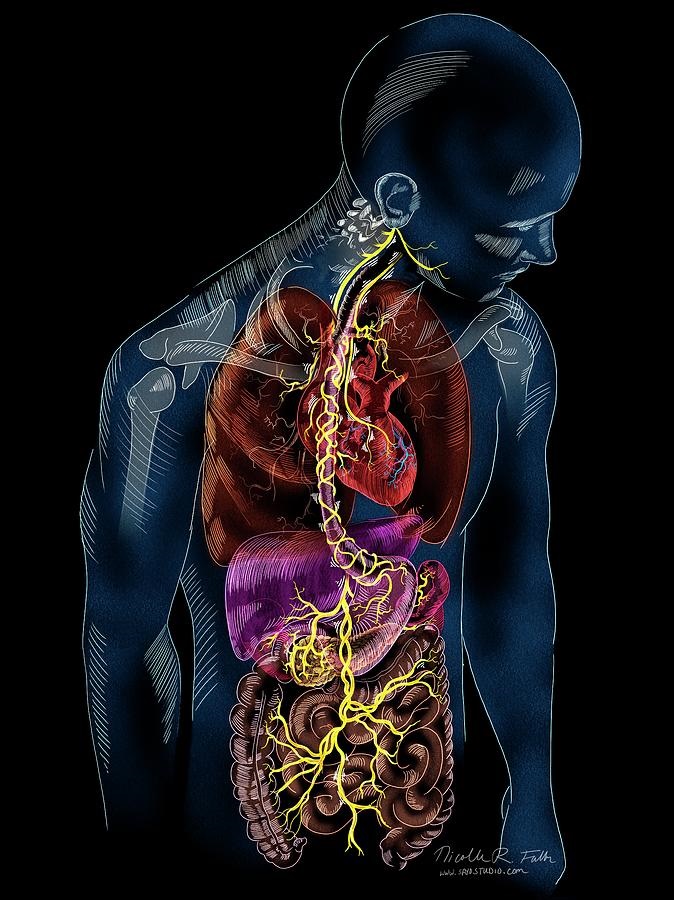
nature or nurture: neurobiology and psychiatry overlap

Psychiatric and neurological diseases are the leading causes of morbidity and mortality globally. Despite their shared neural origin, they have distinct underlying pathogenic entities and are classified separately in the International Classification of Diseases (ICD). However, the degree to which they share an etiological basis and genetic influences is unclear. Psychiatric disorders have a neurobiological …

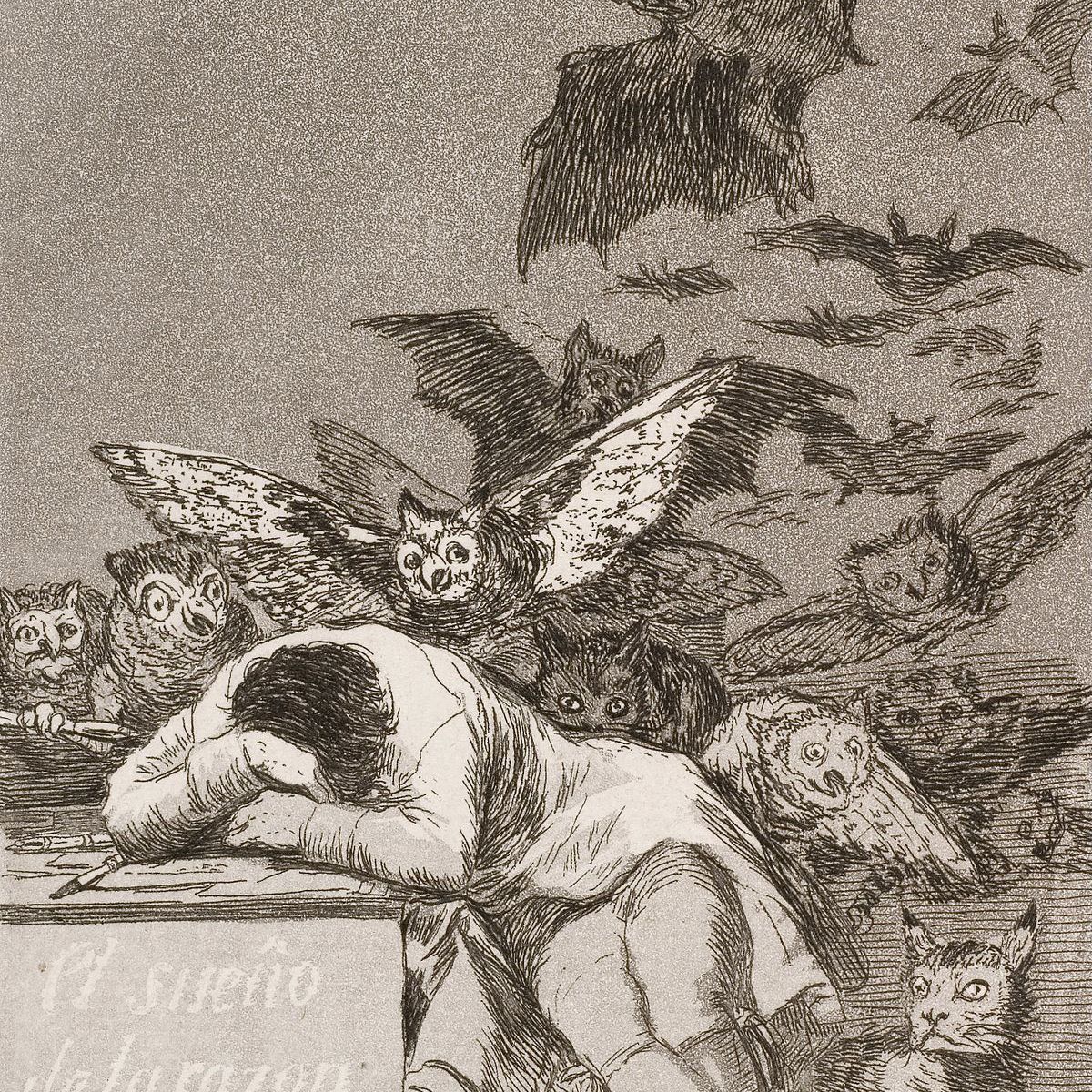
‘The Sleep of Reason Brings Forth Monsters:’ reframing mental distress as a call to action – part 1

Following are excerpts from the book, “Freedom: the end of the human condition” written by biologist, Jeremy Griffith, in 2016*. It recounts the psychological alienation felt by humans when a separation occurs between (the Grace of) instinct and the 'knowledge of right and wrong’ inherent in the social adaptations of living in society, what he …

the year of living creatively

"The privilege of a lifetime is being who you are." - Joseph Campbell During the past 50 years, quite a few researchers, social scientists, and psychologists have written passionately about the creative process, offering a number of models to help clarify its various stages. All of their models are deeply considered and relatively easy to understand. …

anti inflammatory effects of omega 3 fatty acids could help reduce depression

Omega-3 polyunsaturated fatty acids (PUFAs) are metabolised into molecules called lipid mediators and the levels of these in the blood are linked to an improvement in depressive symptoms. The omega-3 polyunsaturated fatty acids (PUFAs) eicosapentaenoic acid (EPA) and docosahexaenoic acid (DHA) are found in oily fish. Researchers from the National Institute of Health Research (NIHR) …