
molecular changes in the brain with PTSD & depression

A comprehensive approach that examines the intersection of multiple biological processes is necessary to elucidate the development of stress-related disorders. In a new study, investigators from McLean Hospital, a member of the  Mass General Brigham healthcare system, working with colleagues at The University of Texas at Austin and Lieber Institute for Brain Development, uncovered both shared and distinct …

effects of yoga on brain waves & structural activation: a review

Previous research has shown the vast mental and physical health benefits associated with yoga. Yoga practice can be divided into subcategories that include posture-holding exercise (asana), breathing (pranayama, Kriya), and meditation (Sahaj) practice. Studies measuring mental health outcomes have shown decreases in anxiety, and increases in cognitive performance after yoga interventions. Similar studies have also shown cognitive …

brain training for good health

The brain is the most complex and intricate part of the human body, and yet many of us don’t recognize just how many functions it carries out on a daily basis. Inside your head, there are approximately sixty trillion neural connections (pathways between brain cells), and while the brain represents only 2–2.5% of the body mass, it consumes …

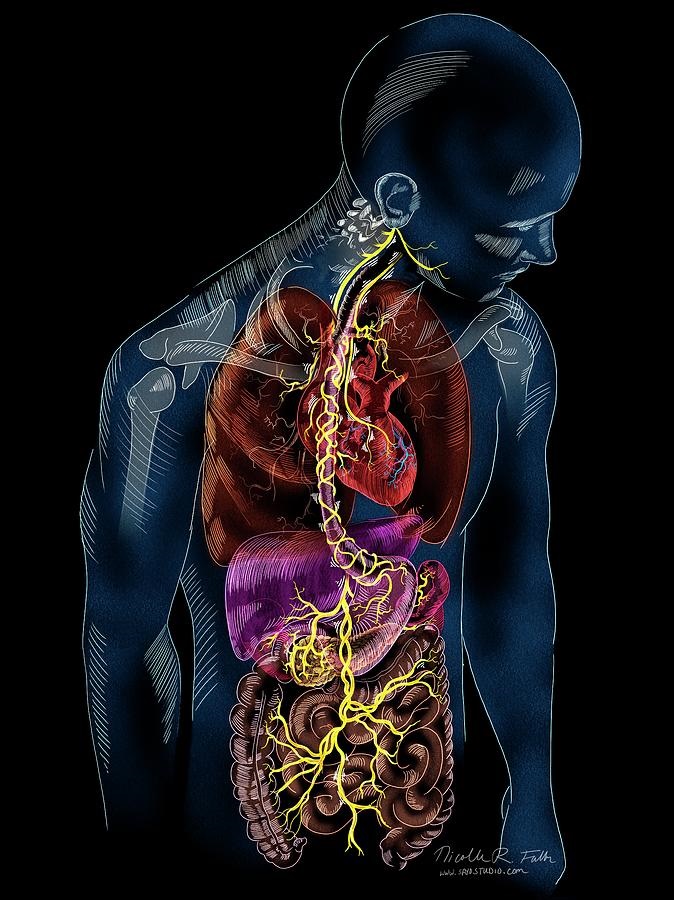
vagus nerve: brain-gut axis in psychiatric and inflammatory disorders – part I

The vagus nerve represents the main component of the parasympathetic nervous system, which oversees a vast array of crucial bodily functions, including control of mood, immune response, digestion, and heart rate. It establishes one of the connections between the brain and the gastrointestinal tract and sends information about the state of the inner organs to …