molecular changes in the brain with PTSD & depression

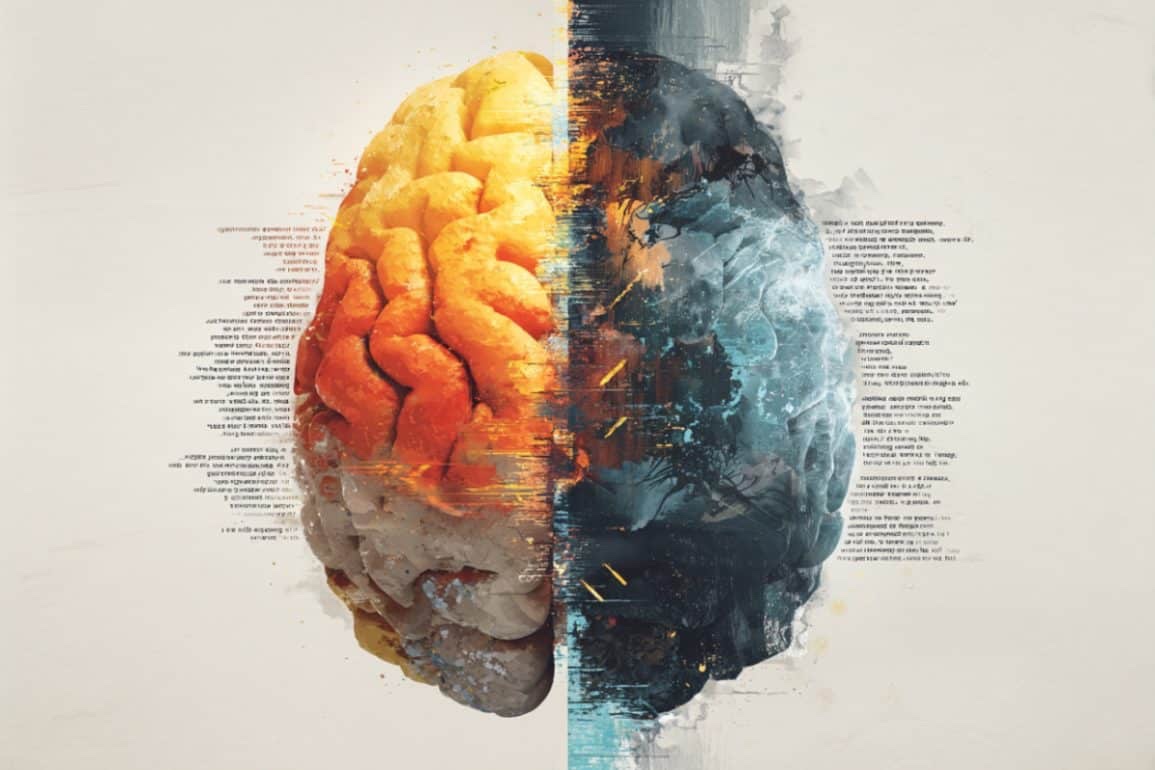
A comprehensive approach that examines the intersection of multiple biological processes is necessary to elucidate the development of stress-related disorders. In a new study, investigators from McLean Hospital, a member of the  Mass General Brigham healthcare system, working with colleagues at The University of Texas at Austin and Lieber Institute for Brain Development, uncovered both shared and distinct …

how storytelling style shapes the way the brain forms memories

Does the way a person hears about an event shape their recollection of it later? In a new Journal of Neuroscience paper, Signy Sheldon and colleagues, from McGill University, explored whether different storytelling strategies affect how the brain stores that experience as a memory and recalls it later.  The researchers created narratives with the same core events, …

effects of yoga on brain waves & structural activation: a review

Previous research has shown the vast mental and physical health benefits associated with yoga. Yoga practice can be divided into subcategories that include posture-holding exercise (asana), breathing (pranayama, Kriya), and meditation (Sahaj) practice. Studies measuring mental health outcomes have shown decreases in anxiety, and increases in cognitive performance after yoga interventions. Similar studies have also shown cognitive …

emotional dysregulation & inflammation

Elevated inflammation is a risk factor for many psychiatric (e.g., depression) and somatic conditions (e.g., rheumatoid arthritis). Inflammation is influenced by psychosocial processes such as emotion regulation. Characterization of which emotion regulation characteristics impact inflammation could help refine psychosocial interventions aimed at normalizing health-harming inflammatory activity for individuals with psychiatric and somatic illnesses. We systematically reviewed the …

managing emotions better could prevent pathological aging

Negative emotions, anxiety and depression are thought to promote the onset of neurodegenerative diseases and dementia. But what is their impact on the brain and can their deleterious effects be limited? Neuroscientists at the University of Geneva (UNIGE) observed the activation of the brains of young and older adults when confronted with the psychological suffering of others. …

the science of flow: heart brain coherence

Many contemporary scientists believe it is the underlying state of our physiological processes that determines the quality and stability of the feelings and emotions we experience. The feelings we label as positive actually reflect body states that are coherent, meaning "the regulation of life processes becomes efficient, or even optimal, free-flowing and easy,"[160] and the feelings …

consciousness, time and dukkha

Hans Karl Hermann Rudolph Gebser was born in modern day Poland and was a philosopher, poet and linguist. His major thesis was that human consciousness is in transition, and that these transitions are "mutations" and not continuous. These jumps or transformations involve structural changes in both mind and body. Gebser held that previous consciousness structures continue …

the great slowdown: why breaking down is waking up

The history of humankind is like a maze; a collection of pathways, designed to lead us from a beginning to an end goal with the journey entailing much retracing of steps, the occasional dead end and from time to time that sense that we’ve all been here before — after all, aren’t those who don’t …

breathwork: coherence and union

If I say mind and thinking, you automatically know that we are talking about head. And reason. With the same automatism, you know that when using the words emotion and feeling all the rest of the body is put into play from the heart. The world of sensations. Who knows how many times in your school, affective, professional life, these two parts acted separately or, worse, …

spiritual centre of the brain: evolutionary ancient

According to a report in the Journal of Neuroscience, the concept of religion and spirituality is profoundly ingrained in our brains. Because researchers have now identified an essential location in the brain stem — an extremely ancient part of the brain in terms of evolution — we now have an understanding of the brain stem’s significance. If this …