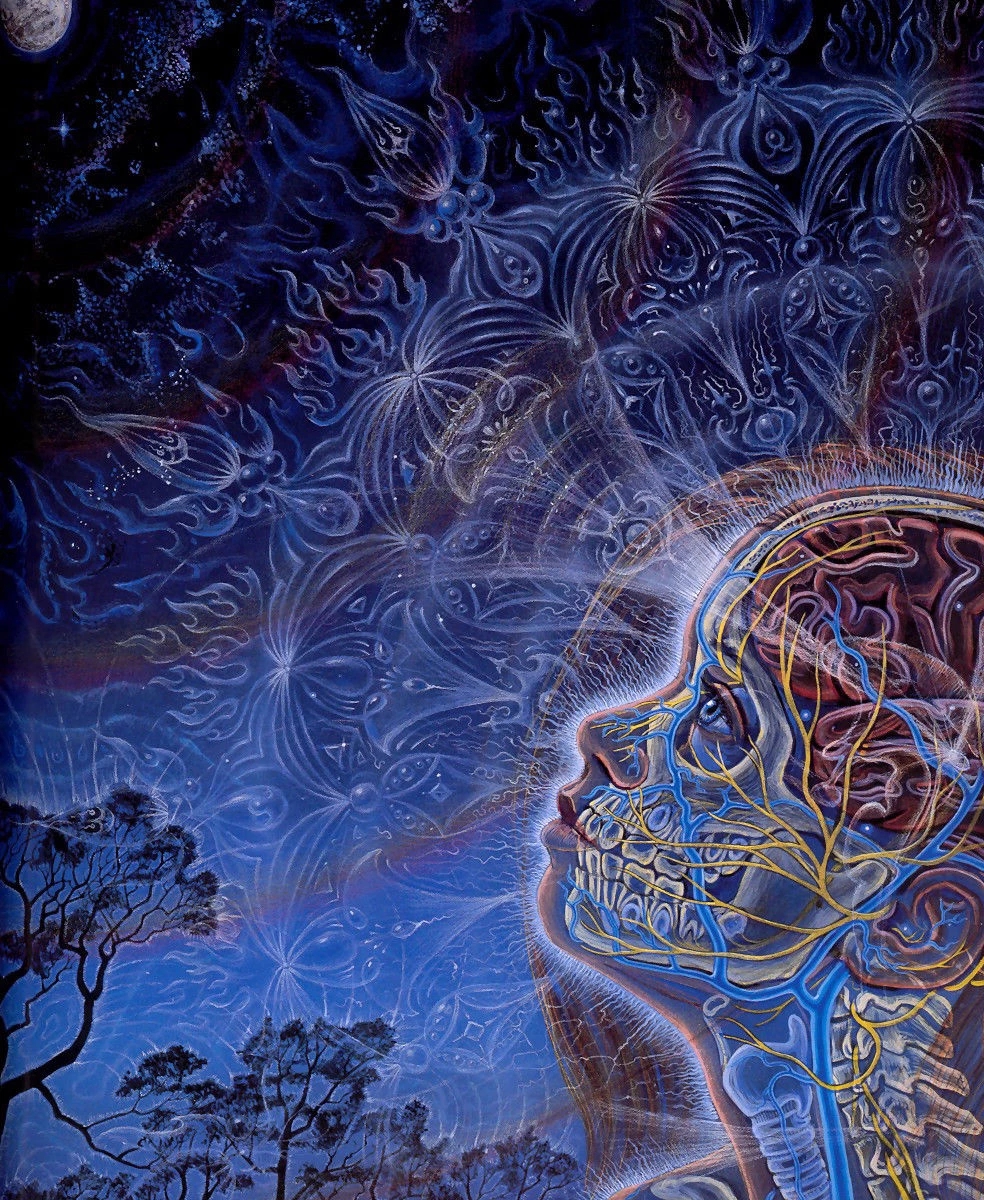
molecular changes in the brain with PTSD & depression

A comprehensive approach that examines the intersection of multiple biological processes is necessary to elucidate the development of stress-related disorders. In a new study, investigators from McLean Hospital, a member of the  Mass General Brigham healthcare system, working with colleagues at The University of Texas at Austin and Lieber Institute for Brain Development, uncovered both shared and distinct …

brain training for good health

The brain is the most complex and intricate part of the human body, and yet many of us don’t recognize just how many functions it carries out on a daily basis. Inside your head, there are approximately sixty trillion neural connections (pathways between brain cells), and while the brain represents only 2–2.5% of the body mass, it consumes …

vagus nerve: brain-gut axis in psychiatric and inflammatory disorders – part I

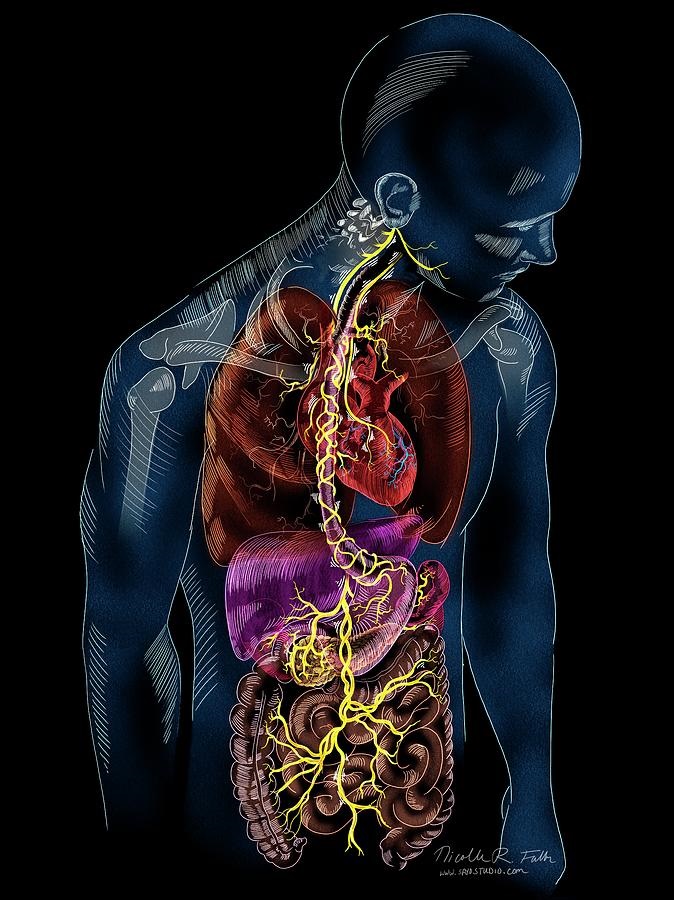
The vagus nerve represents the main component of the parasympathetic nervous system, which oversees a vast array of crucial bodily functions, including control of mood, immune response, digestion, and heart rate. It establishes one of the connections between the brain and the gastrointestinal tract and sends information about the state of the inner organs to …

nature or nurture: neurobiology and psychiatry overlap

Psychiatric and neurological diseases are the leading causes of morbidity and mortality globally. Despite their shared neural origin, they have distinct underlying pathogenic entities and are classified separately in the International Classification of Diseases (ICD). However, the degree to which they share an etiological basis and genetic influences is unclear. Psychiatric disorders have a neurobiological …

quality sleep & adaptive emotional regulation: key factors in mental health resilience

High-quality sleep and adaptive cognitive emotional regulation strategies can help to promote resilience to depression and anxiety when faced with negative or stressful experiences, according to new research published in the scientific journal Cortex. The researchers were interested in understanding why some individuals experiencing chronic stress develop mental health problems, while others do not. They believed …

neurobiology of psychedelic experience

Scientists have identified specific patterns of brain network reconfigurations that occur when people take both classical and non-classical psychedelic drugs. Their findings, published in NeuroImage, shed new light on how psychedelics affect the brain and consciousness. The authors behind the new study wanted to better understand the neurobiology of the psychedelic experience by examining the common …

the great slowdown: why breaking down is waking up

The history of humankind is like a maze; a collection of pathways, designed to lead us from a beginning to an end goal with the journey entailing much retracing of steps, the occasional dead end and from time to time that sense that we’ve all been here before — after all, aren’t those who don’t …