neurotransmitters and brain function (a really good summary)

Neurons (nerve cells) in the brain form elaborate networks, with each neuron having up to 15,000 connections with neighbouring neurons at contact points called synapses. While the nerve impulse travel through the neuron as an electrical impulse, it does not cross the gap known as the synaptic cleft but rather stimulates the release of a …

buddha’s brain: neuroplasticity and meditation

In a recent visit to the United States, the Dalai Lama gave a speech at the Society for Neuroscience's annual meeting in Washington, D.C. Over the past several years, he has helped recruit Tibetan Buddhist monks for, and directly encouraged research on the brain and meditation in the Waisman Laboratory for Brain Imaging and Behavior …

new memory editing technique can erase bad memories

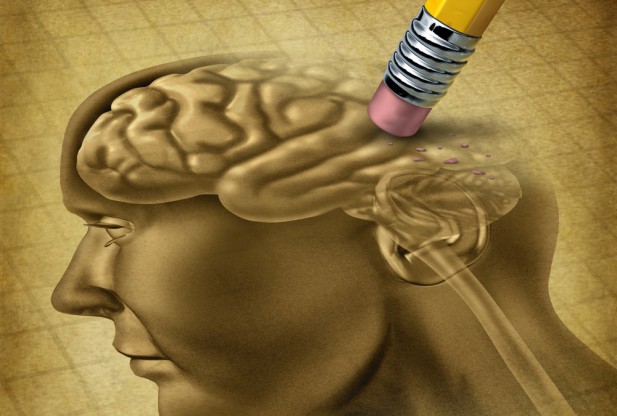
A radical new technique to target and erase painful memories has raised “huge ethical problems,” say leading neurologists, because it threatens to artificially change a person’s personality. The memory-editing technique, which is called decoded neurofeedback, or DecNef, was created for the treatment of PTSD. It uses an electromagnet similar to an MRI scanner, to measure …

the chemistry of emotions part 2

Neurotransmitters play a critical role in modulating emotions in the brain and serious problems can result if neurotransmitter levels are not optimally balanced. Depression, anxiety or mood swings can all be caused by a lack of a balance in neurotransmitters. Drug therapies given to individuals suffering from these disorders aim to restore that balance. For …

vagal pathways: portals to compassion

Contemplative practices are conceptualized as methods that function as neural exercises enhancing vagal regulation of the autonomic nervous system. The model presented proposes that specific voluntary behaviors (e.g., breath, vocalizations, and posture), which characterize ancient rituals and form the core of contemplative practices, can trigger a physiological state mediated by vagal pathways that fosters health …

is meditation the reason this monk’s brain is eight years younger than his body?

While there's no fountain of youth, a Tibetian Buddhist monk may have tapped into the next best thing, according to an analysis showing that his 41-year-old brain actually resembles that of a 33-year-old.  The monk, Yongey Mingyur Rinpoche (YMR), a renowned meditation practitioner and teacher, began meditating at age 9. The "extraordinary number of hours" …

brain, mind and consciousness: near-death experiences

The truck driver’s story sounded far-fetched. The man claimed that in the middle of his quadruple bypass heart surgery — during which he was fully anesthetized and his eyes were taped shut — he had “come to” and found that he was looking down at his own body and the doctors preparing to operate on …