The brain is the most complex and intricate part of the human body, and yet many of us don’t recognize just how many functions it carries out on a daily basis. Inside your head, there are approximately sixty trillion neural connections (pathways between brain cells), and while the brain represents only 2–2.5% of the body mass, it consumes …
use it or lose it: neurofeedback brain training & cognitive aging
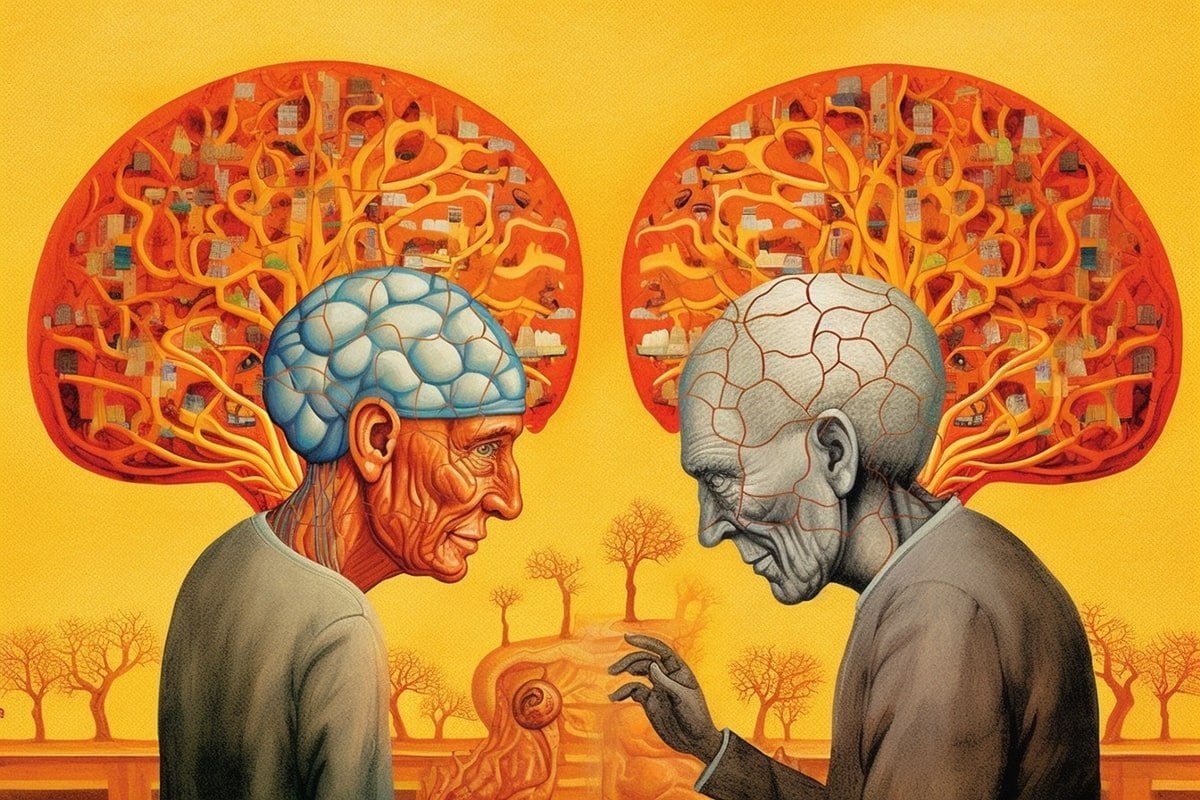
Across a human life span, changes in cognition are expected to occur as individuals grow older. Most of the changes experienced in aging are related to a decline in fluid intelligence, defined as the capacity to solve problems and articulate ideas, to navigate new situations, and to acquire knowledge. On the other hand, crystallized intelligence, …
Continue reading "use it or lose it: neurofeedback brain training & cognitive aging"
nature or nurture: neurobiology and psychiatry overlap
Psychiatric and neurological diseases are the leading causes of morbidity and mortality globally. Despite their shared neural origin, they have distinct underlying pathogenic entities and are classified separately in the International Classification of Diseases (ICD). However, the degree to which they share an etiological basis and genetic influences is unclear. Psychiatric disorders have a neurobiological …
Continue reading "nature or nurture: neurobiology and psychiatry overlap"
emotional dysregulation & inflammation
Elevated inflammation is a risk factor for many psychiatric (e.g., depression) and somatic conditions (e.g., rheumatoid arthritis). Inflammation is influenced by psychosocial processes such as emotion regulation. Characterization of which emotion regulation characteristics impact inflammation could help refine psychosocial interventions aimed at normalizing health-harming inflammatory activity for individuals with psychiatric and somatic illnesses. We systematically reviewed the …
neurobiology of psychedelic experience
Scientists have identified specific patterns of brain network reconfigurations that occur when people take both classical and non-classical psychedelic drugs. Their findings, published in NeuroImage, shed new light on how psychedelics affect the brain and consciousness. The authors behind the new study wanted to better understand the neurobiology of the psychedelic experience by examining the common …
ADHD and the brain: no one size fits all
If you live with attention deficit hyperactivity disorder (ADHD), your brain, not your willpower, may play a role in your symptoms. Living with ADHD can be frustrating. You may want to concentrate more, follow conversations better, or be more organized. But if you live with ADHD, doing these things can be challenging. People around you …
the science of flow: heart brain coherence
Many contemporary scientists believe it is the underlying state of our physiological processes that determines the quality and stability of the feelings and emotions we experience. The feelings we label as positive actually reflect body states that are coherent, meaning "the regulation of life processes becomes efficient, or even optimal, free-flowing and easy,"[160] and the feelings …
Continue reading "the science of flow: heart brain coherence"
when fear gets stuck: an epigenetic mechanism
Fear-based mental health conditions are common, impacting millions of people worldwide. Previous research has shown that specific regions and pathways in the brain may be responsible for processing fear. A new study from Linköping University in Sweden has revealed a biological mechanism that impacts fear pathways and how fear memories are stored in the brain. …
Continue reading "when fear gets stuck: an epigenetic mechanism"
‘travelling’ brain waves may help working memory
The act of holding information in mind is accompanied by coordination of rotating brain waves in the prefrontal cortex, a phenomenon that may convey specific advantages, a new study suggests. A stadium wave forms when fans in adjacent sections stand up and then sit back down in sequence around the seating area. This creates a …
Continue reading "‘travelling’ brain waves may help working memory"
how to map your nervous system: polyvagal theory – part 1
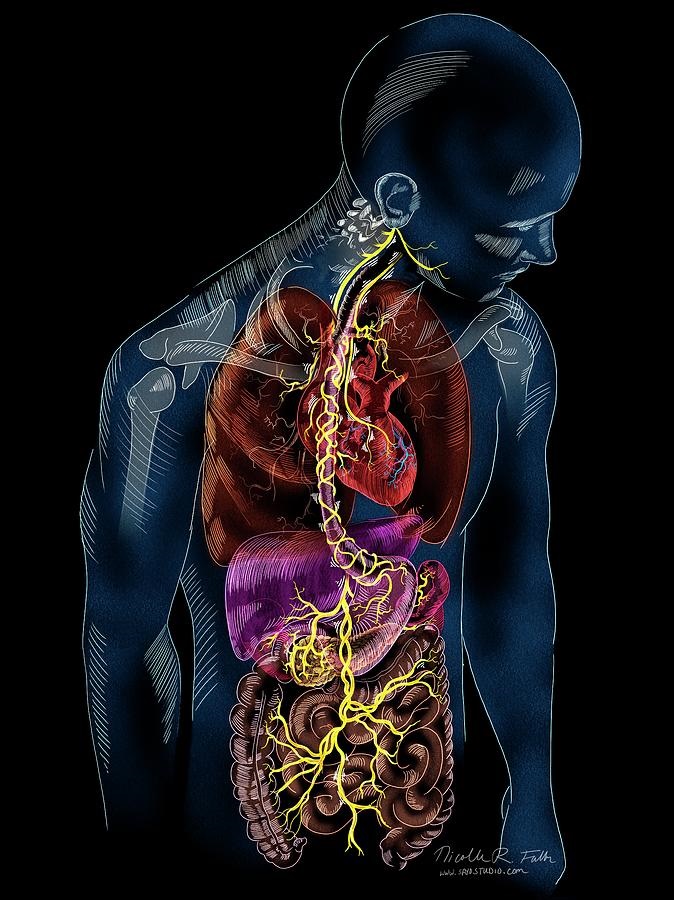
With anxiety, depression, and stress on the climb, have you ever wondered how you can understand your reactions to life’s challenges and stressors? Or maybe you wondered how you can become more resilient? Did you know that you can map your own nervous system? This is such a powerful tool that can help you shift …
Continue reading "how to map your nervous system: polyvagal theory – part 1"