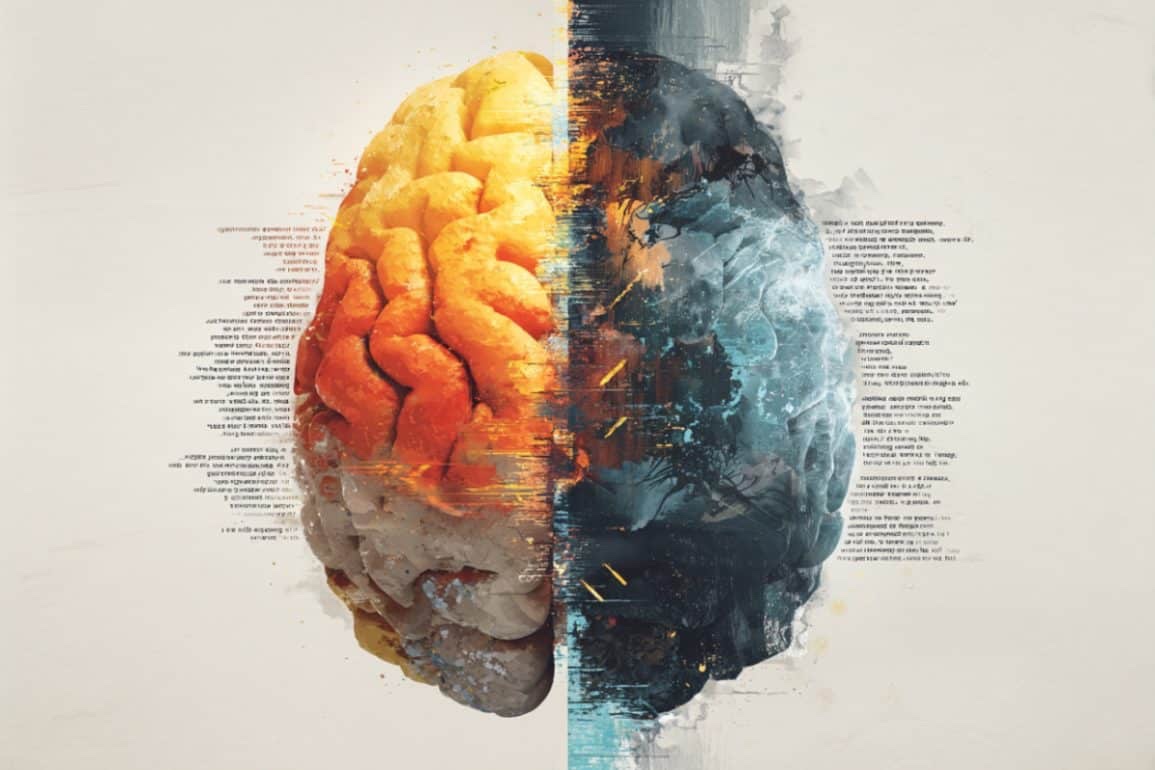
molecular changes in the brain with PTSD & depression

A comprehensive approach that examines the intersection of multiple biological processes is necessary to elucidate the development of stress-related disorders. In a new study, investigators from McLean Hospital, a member of the  Mass General Brigham healthcare system, working with colleagues at The University of Texas at Austin and Lieber Institute for Brain Development, uncovered both shared and distinct …

how storytelling style shapes the way the brain forms memories

Does the way a person hears about an event shape their recollection of it later? In a newย Journal of Neuroscienceย paper, Signy Sheldon and colleagues, from McGill University, explored whether different storytelling strategies affect how the brain stores that experience as a memory and recalls it later.ย  The researchers created narratives with the same core events, …

emotional dysregulation & inflammation

Elevated inflammation is a risk factor for many psychiatric (e.g., depression) and somatic conditions (e.g., rheumatoid arthritis). Inflammation is influenced by psychosocial processes such as emotion regulation. Characterization of which emotion regulation characteristics impact inflammation could help refine psychosocial interventions aimed at normalizing health-harming inflammatory activity for individuals with psychiatric and somatic illnesses. We systematically reviewed the …

vagus physiology: answers to critical questions you didn’t know you had – part III

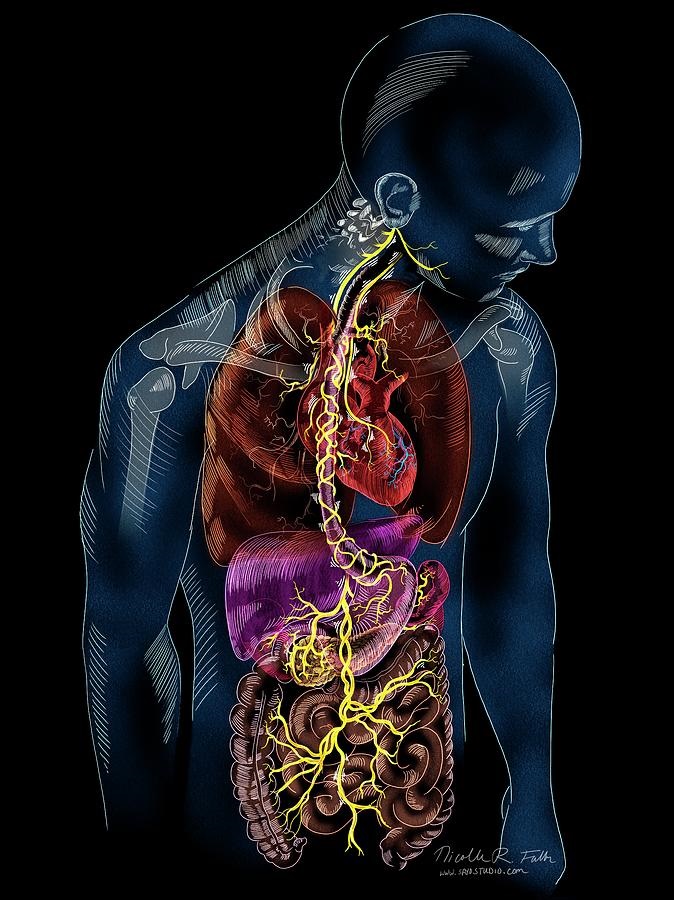
In part III of our article on vagus physiology, we look at the treatment for these, until recently, little-known but critically important and widespread conditions of the vagus nerve which are the root cause of many illnesses for millions of people worldwide. In parts I and II of this article, we have laid a basic …

vagus physiology: answers to critical questions you didn’t know you had – part II

Can different pathophysiological mechanisms and risk factors leading to various diseases be linked with altered nerve transmission via one common pathway? The authors of a 2012 scientific article published in the journal,ย Clinical Science,ย (3) hypothesized that adequate vagal nerve activity reduces the risk of major diseases through common basic mechanisms.. There are 3 basic mechanisms that …

vagus physiology: answers to critical questions you didn’t know you had – part I

The vagus nerves are the nerves of life. They keep us alive by their innervation of the internal organs of the body and their interactions with the brain, spinal cord, cranial nerves, upper cervical spinal nerves, and sympathetic nervous system. Sensory functions of the vagus nerve are critical for conscious perception and for monitoring visceral …

the science of flow: heart brain coherence

Many contemporary scientists believe it is the underlying state of our physiological processes that determines the quality and stability of the feelings and emotions we experience. The feelings we label as positive actually reflect body states that are coherent, meaning "the regulation of life processes becomes efficient, or even optimal, free-flowing and easy,"[160] and the feelings …

when fear gets stuck: an epigenetic mechanism

Fear-based mental health conditions are common, impacting millions of people worldwide. Previous research has shown that specific regions and pathways in the brain may be responsible for processing fear. A new study from Linkรถping University in Sweden has revealed a biological mechanism that impacts fear pathways and how fear memories are stored in the brain. …

โ€˜The Sleep of Reason Brings Forth Monsters:โ€™ reframing mental distress as a call to action โ€“ part 1

Following are excerpts from the book, โ€œFreedom: the end of the human conditionโ€ written by biologist, Jeremy Griffith, in 2016*. It recounts the psychological alienation felt by humans when a separation occurs between (the Grace of) instinct and the 'knowledge of right and wrongโ€™ inherent in the social adaptations of living in society, what he …