consciousness, time and dukkha

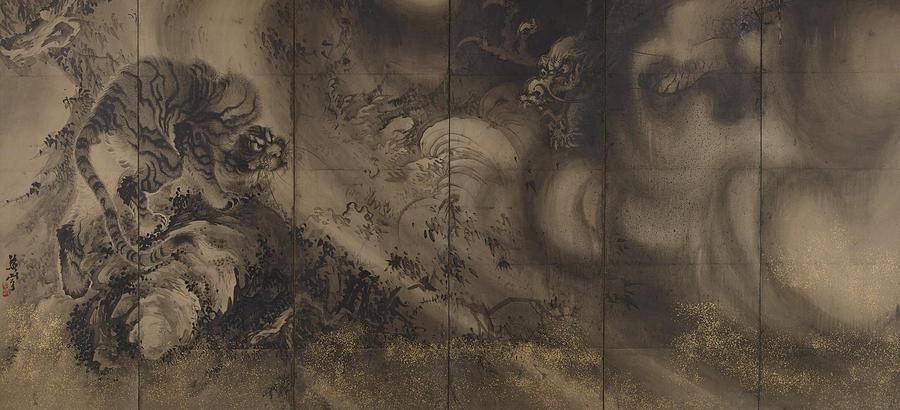
Hans Karl Hermann Rudolph Gebser was born in modern day Poland and was a philosopher, poet and linguist. His major thesis was that human consciousness is in transition, and that these transitions are "mutations" and not continuous. These jumps or transformations involve structural changes in both mind and body. Gebser held that previous consciousness structures continue …

when fear gets stuck: an epigenetic mechanism

Fear-based mental health conditions are common, impacting millions of people worldwide. Previous research has shown that specific regions and pathways in the brain may be responsible for processing fear. A new study from Linkรถping University in Sweden has revealed a biological mechanism that impacts fear pathways and how fear memories are stored in the brain. …

calming dysregulation fast – ten trigger hacks

When you have Childhood PTSD, thereโ€™s nothing worse than being in some crucial conversation, or some big moment, and some little thing triggers you. And even though you know itโ€™s not worth getting upset about, you get upset anyway. You can feel it spreading through your body โ€” the feeling of adrenaline and discombobulation, feeling numb in …

ptsd: another look – part 1

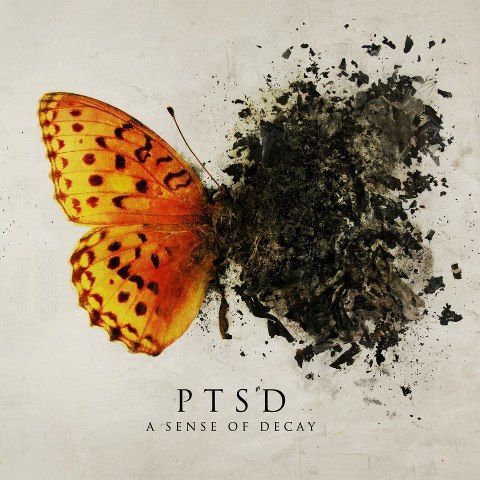
Post-traumatic stress disorder (PTSD) is a disorder that develops in some people who have experienced a shocking, scary, or dangerous event. It is natural to feel afraid during and after a traumatic situation. Fear triggers many split-second changes in the body to help defend against danger or to avoid it. This โ€œfight-or-flightโ€ response is a …

breathing to manage your stress – a new approach

The role of the breath in meditation and stress management programs is well established. As a meditation strategy, focusing on the breath is primarily a tool for concentration, a place to focus the mind. As a stress management technique, slowing the breath, โ€œbelly breathing,โ€ and focusing on the exhalation are all common (and effective) approaches to shifting the nervous system out of a …

The way of suffering -Thich Nhat Hanh (1926-2022)

Handling our suffering is an art - if we know how to suffer, we suffer much less, and weโ€™re no longer afraid of being overwhelmed by the suffering. Mindfulness helps us recognize, acknowledge, and embrace the presence of the suffering, which can already bring some calm and relief. When a painful feeling comes up, we …

how to map your nervous system: polyvagal theory – part 1

With anxiety, depression, and stress on the climb, have you ever wondered how you can understand your reactions to lifeโ€™s challenges and stressors? Or maybe you wondered how you can become more resilient? Did you know that you can map your own nervous system? This is such a powerful tool that can help you shift …