Following are excerpts from the book, “Freedom: the end of the human condition” written by biologist, Jeremy Griffith, in 2016*. It recounts the psychological alienation felt by humans when a separation occurs between (the Grace of) instinct and the 'knowledge of right and wrong’ inherent in the social adaptations of living in society, what he …
the great slowdown: why breaking down is waking up
The history of humankind is like a maze; a collection of pathways, designed to lead us from a beginning to an end goal with the journey entailing much retracing of steps, the occasional dead end and from time to time that sense that we’ve all been here before — after all, aren’t those who don’t …
Continue reading "the great slowdown: why breaking down is waking up"
calming dysregulation fast – ten trigger hacks
When you have Childhood PTSD, there’s nothing worse than being in some crucial conversation, or some big moment, and some little thing triggers you. And even though you know it’s not worth getting upset about, you get upset anyway. You can feel it spreading through your body — the feeling of adrenaline and discombobulation, feeling numb in …
Continue reading "calming dysregulation fast – ten trigger hacks"
release – the other side of stress and trauma
Nature loves a balance, and you are a part of nature. Since stress is a natural part of life, it makes sense that you also have a relaxation reflex to help you rebalance. Our bodies respond to stress by increasing stress hormones. This gets our heart rate up, breathing going, and pumps the blood to …
Continue reading "release – the other side of stress and trauma"
trauma-soothing genes: implications for transgenerational trauma & new treatments
Using a powerful new sequencing technique researchers have tracked down genes within mice that work towards soothing fear-related memories. These genes are hidden within relatively unknown regions of the mammalian genome we'd written off as 'junk DNA'. "It's like harnessing the power of the Hubble Telescope to peer into the unknown of the brain," said …
Continue reading "trauma-soothing genes: implications for transgenerational trauma & new treatments"
ptsd: another look – part 1
Post-traumatic stress disorder (PTSD) is a disorder that develops in some people who have experienced a shocking, scary, or dangerous event. It is natural to feel afraid during and after a traumatic situation. Fear triggers many split-second changes in the body to help defend against danger or to avoid it. This “fight-or-flight” response is a …
The way of suffering -Thich Nhat Hanh (1926-2022)
Handling our suffering is an art - if we know how to suffer, we suffer much less, and we’re no longer afraid of being overwhelmed by the suffering. Mindfulness helps us recognize, acknowledge, and embrace the presence of the suffering, which can already bring some calm and relief. When a painful feeling comes up, we …
Continue reading "The way of suffering -Thich Nhat Hanh (1926-2022)"
how to map your nervous system: polyvagal theory – part 2
Did you know that you can test your vagal nerve function, and not only can you test it, but you can begin to tap into the healing power of the vagus nerve? Your vagus nerve is responsible for the regulation of internal organs such as digestion, heart rate, respiratory rate and impacts certain reflex actions …
Continue reading "how to map your nervous system: polyvagal theory – part 2"
how to map your nervous system: polyvagal theory – part 1
With anxiety, depression, and stress on the climb, have you ever wondered how you can understand your reactions to life’s challenges and stressors? Or maybe you wondered how you can become more resilient? Did you know that you can map your own nervous system? This is such a powerful tool that can help you shift …
Continue reading "how to map your nervous system: polyvagal theory – part 1"
new memory editing technique can erase bad memories
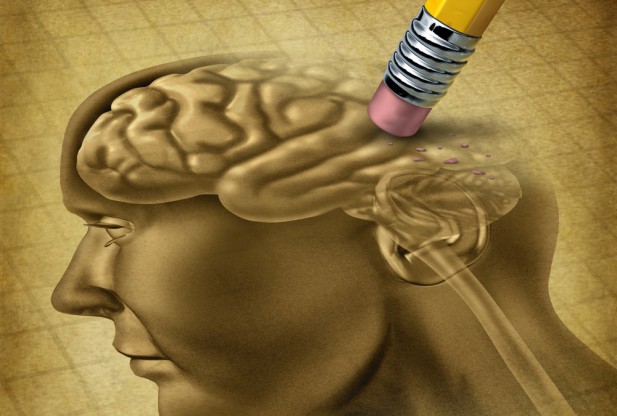
A radical new technique to target and erase painful memories has raised “huge ethical problems,” say leading neurologists, because it threatens to artificially change a person’s personality. The memory-editing technique, which is called decoded neurofeedback, or DecNef, was created for the treatment of PTSD. It uses an electromagnet similar to an MRI scanner, to measure …
Continue reading "new memory editing technique can erase bad memories"