
molecular changes in the brain with PTSD & depression

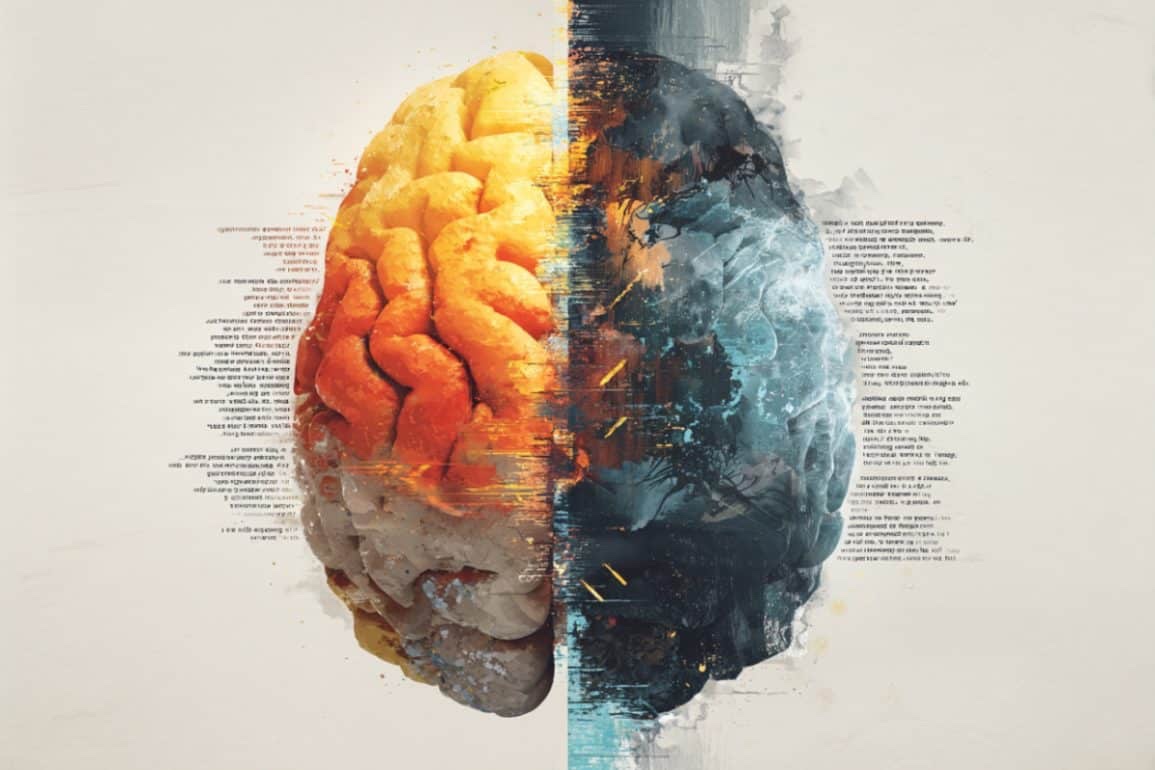
A comprehensive approach that examines the intersection of multiple biological processes is necessary to elucidate the development of stress-related disorders. In a new study, investigators from McLean Hospital, a member of the  Mass General Brigham healthcare system, working with colleagues at The University of Texas at Austin and Lieber Institute for Brain Development, uncovered both shared and distinct …

how storytelling style shapes the way the brain forms memories

Does the way a person hears about an event shape their recollection of it later? In a newย Journal of Neuroscienceย paper, Signy Sheldon and colleagues, from McGill University, explored whether different storytelling strategies affect how the brain stores that experience as a memory and recalls it later.ย  The researchers created narratives with the same core events, …

brain training for good health

The brain is the most complex and intricate part of the human body, and yet many of us donโ€™t recognize just how many functions it carries out on a daily basis. Inside your head, there are approximately sixty trillion neural connections (pathways between brain cells), and while the brain represents only 2โ€“2.5% of the body mass, it consumes …

vagus nerve: brain-gut axis in psychiatric and inflammatory disorders – part I

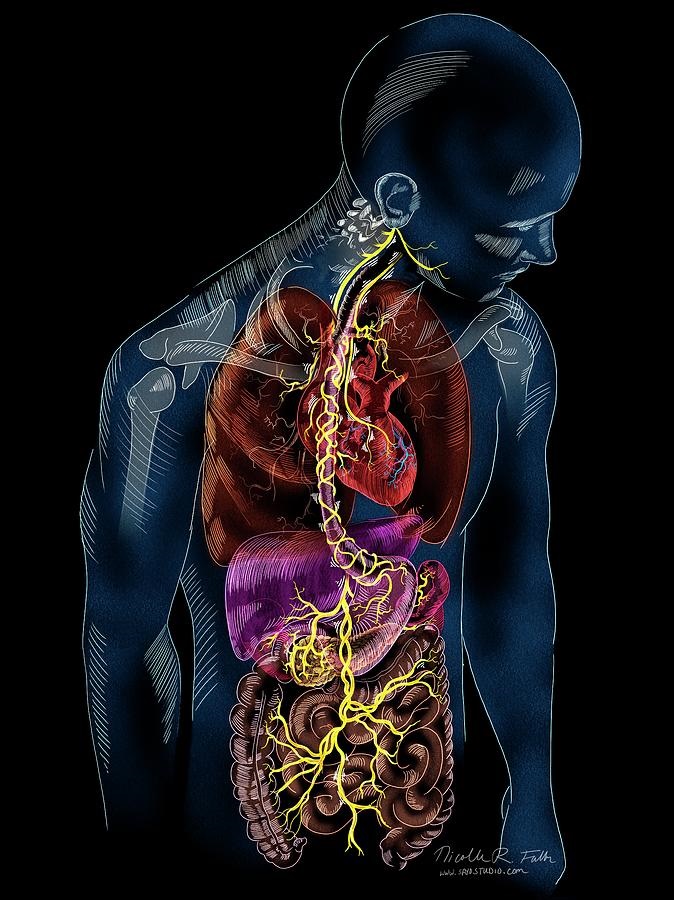
The vagus nerve represents the main component of the parasympathetic nervous system, which oversees a vast array of crucial bodily functions, including control of mood, immune response, digestion, and heart rate. It establishes one of the connections between the brain and the gastrointestinal tract and sends information about the state of the inner organs to …

use it or lose it: neurofeedback brain training & cognitive aging

Across a human life span, changes in cognition are expected to occur as individuals grow older. Most of the changes experienced in aging are related to a decline in fluid intelligence, defined as the capacity to solve problems and articulate ideas, to navigate new situations, and to acquire knowledge. On the other hand, crystallized intelligence, …

emotional dysregulation & inflammation

Elevated inflammation is a risk factor for many psychiatric (e.g., depression) and somatic conditions (e.g., rheumatoid arthritis). Inflammation is influenced by psychosocial processes such as emotion regulation. Characterization of which emotion regulation characteristics impact inflammation could help refine psychosocial interventions aimed at normalizing health-harming inflammatory activity for individuals with psychiatric and somatic illnesses. We systematically reviewed the …

software of life: bioelectric controls in a unique reprogrammable medium

How does the developing embryo know where to put the features of the face, the limbs, fingers, organs, bones and all those other amazing facets of our physiology? It has to do with the bodyโ€™s innate bioelectrical system, says Professor Michael Levin from Tufts University in the US. In a fascinating experiment, Levin showed that …

vagus physiology: answers to critical questions you didn’t know you had – part II

Can different pathophysiological mechanisms and risk factors leading to various diseases be linked with altered nerve transmission via one common pathway? The authors of a 2012 scientific article published in the journal,ย Clinical Science,ย (3) hypothesized that adequate vagal nerve activity reduces the risk of major diseases through common basic mechanisms.. There are 3 basic mechanisms that …

managing emotions better could prevent pathological aging

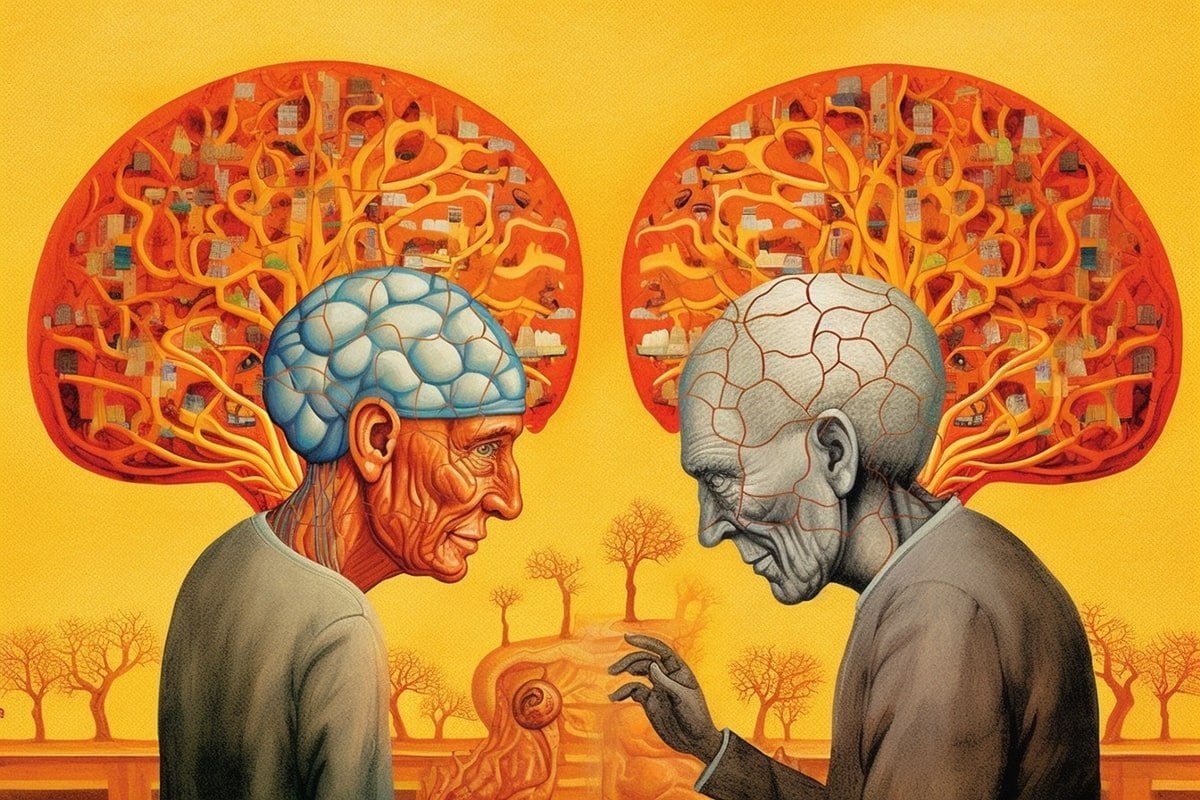
Negative emotions, anxiety and depression are thought to promote the onset of neurodegenerative diseases and dementia. But what is their impact on the brain and can their deleterious effects be limited? Neuroscientists at the University of Geneva (UNIGE) observed the activation of the brains of young and older adults when confronted with the psychological suffering of others. …

vagus physiology: answers to critical questions you didn’t know you had – part I

The vagus nerves are the nerves of life. They keep us alive by their innervation of the internal organs of the body and their interactions with the brain, spinal cord, cranial nerves, upper cervical spinal nerves, and sympathetic nervous system. Sensory functions of the vagus nerve are critical for conscious perception and for monitoring visceral …