
Though I know that I have dallied with the vagus nerve before, as a most interesting cog in the wheel of overall health, a series of events in my own health has brought me back to study it some more. In fact, during a phase of experiencing an unsettling series of symptoms, including post-herpatic neuralgia …
the great slowdown: why breaking down is waking up
The history of humankind is like a maze; a collection of pathways, designed to lead us from a beginning to an end goal with the journey entailing much retracing of steps, the occasional dead end and from time to time that sense that weโve all been here before โ after all, arenโt those who donโt …
Continue reading "the great slowdown: why breaking down is waking up"
anatomy of sleep
Sleep is one of the most important part of our lives . We spend about one third of our life sleeping. It is as necessary as food and water and it affects almost every type of tissue and system in the body. hypothalamus It is a peanut- sized structure above the Pituitary gland deep in …
release – the other side of stress and trauma
Nature loves a balance, and you are a part of nature. Since stress is a natural part of life, it makes sense that you also have a relaxation reflex to help you rebalance. Our bodies respond to stress by increasing stress hormones. This gets our heart rate up, breathing going, and pumps the blood to …
Continue reading "release – the other side of stress and trauma"
ptsd: another look – part 1
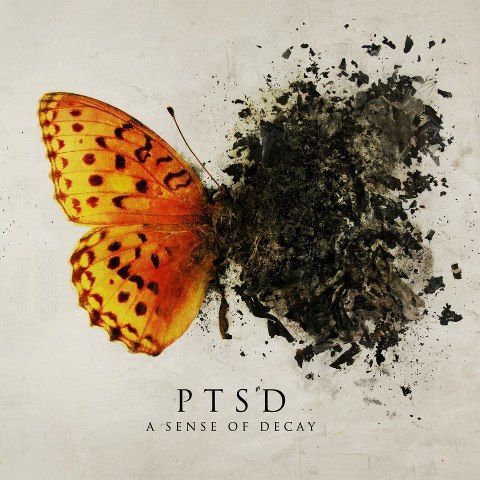
Post-traumatic stress disorder (PTSD) is a disorder that develops in some people who have experienced a shocking, scary, or dangerous event. It is natural to feel afraid during and after a traumatic situation. Fear triggers many split-second changes in the body to help defend against danger or to avoid it. This โfight-or-flightโ response is a …
breathing: the master clock of the sleeping brain
While we sleep, the brain is not switched off, but is busy with โsavingโ the important memories of the day. To achieve that, brain regions are synchronized to coordinate the transmission of information between them. Yet, the mechanisms that enable this synchronization across multiple remote brain regions are not well understood. Traditionally, these mechanisms were …
Continue reading "breathing: the master clock of the sleeping brain"
how to map your nervous system: polyvagal theory – part 1
With anxiety, depression, and stress on the climb, have you ever wondered how you can understand your reactions to lifeโs challenges and stressors? Or maybe you wondered how you can become more resilient? Did you know that you can map your own nervous system? This is such a powerful tool that can help you shift …
Continue reading "how to map your nervous system: polyvagal theory – part 1"
breath in deeply: bring your mind home to your body
Breath is the gift of life - one we are used to and do not see it as such. Itโs become an automatic experience on our part which, in many ways, it is. Have you ever thought about it? Do you breathe, or does the breathing happen without your conscious involvement? When you are focussed …
Continue reading "breath in deeply: bring your mind home to your body"
effects of radiofrequency electromagnetic radiation on neurotransmitters
The authors of a recent review of research on the effects of radiofrequency electromagnetic radiation (EMR) exposure on the brain and nervous system say "With the rapid development of electronic information in the past 30 years, technical achievements based on electromagnetism have been widely used in various fields pertaining to human production and life. Consequently, …
Continue reading "effects of radiofrequency electromagnetic radiation on neurotransmitters"
the chemistry of emotions part 2
Neurotransmitters play a critical role in modulating emotions in the brain and serious problems can result if neurotransmitter levels are not optimally balanced. Depression, anxiety or mood swings can all be caused by a lack of a balance in neurotransmitters. Drug therapies given to individuals suffering from these disorders aim to restore that balance. For …